Water Damage Restoration in Flower Mound, TX
Standing water, wet drywall and soaked flooring are pulled out and dried with truck-mounted extraction and measured readings, for Flower Mound houses, lofts and commercial buildings after any leak or storm.
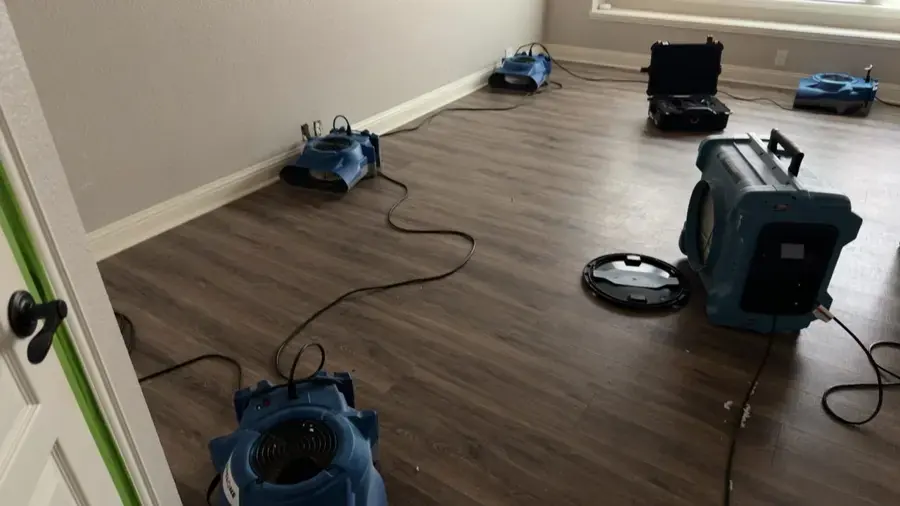
Every water loss, matched to the right service
Each service below handles a different source of water, from a cracked supply pipe to a garage flooded after a storm.
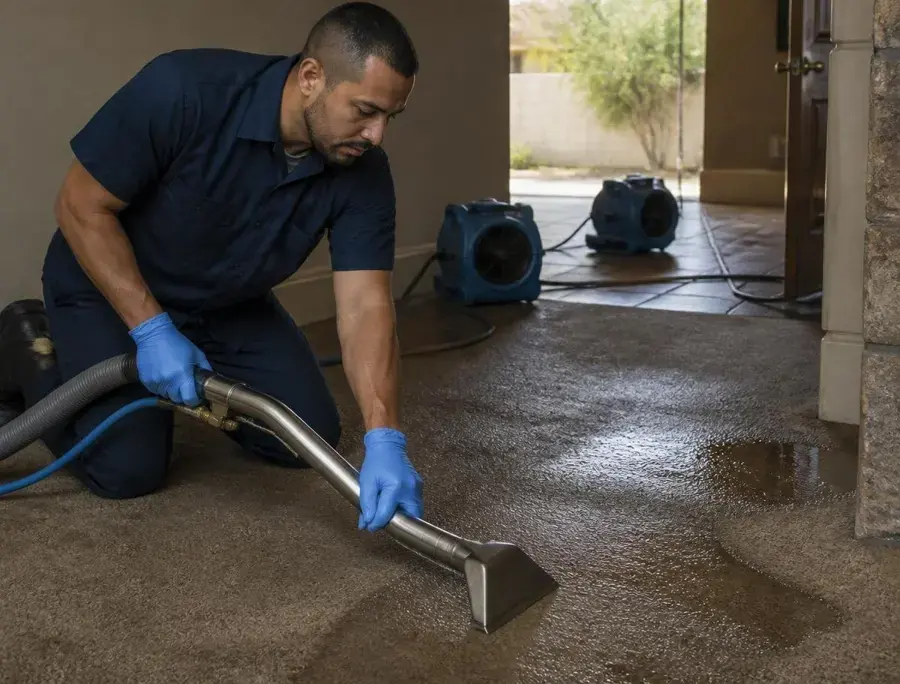
Water Extraction and Removal
Truck-mounted extractors pull standing water out of carpet, tile and hardwood before it spreads.
See the service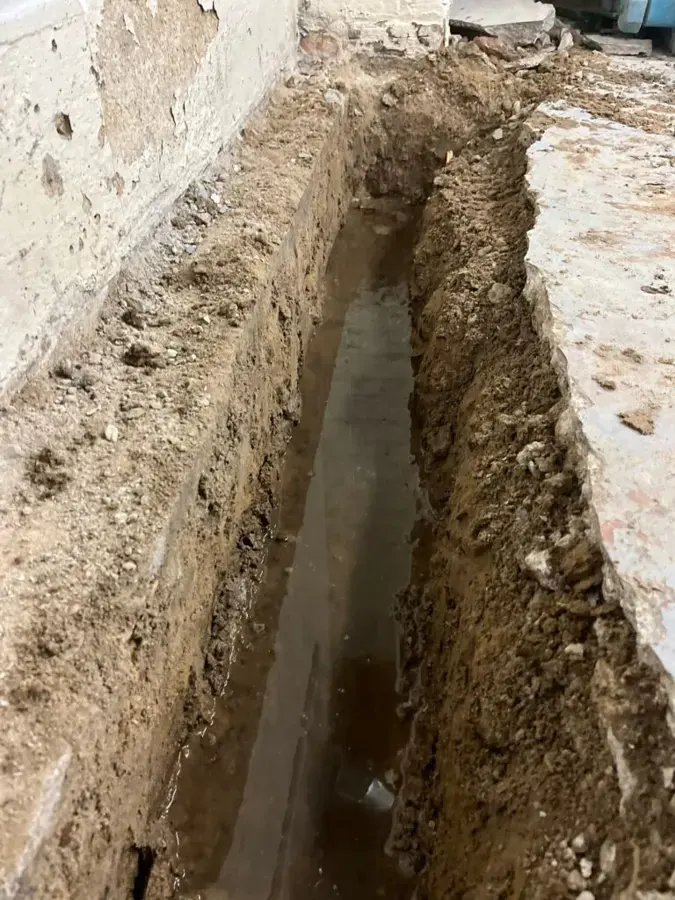
Slab Leak Water Damage
Water from a pipe under the slab is dried out of flooring, baseboards and cabinet bases.
See the service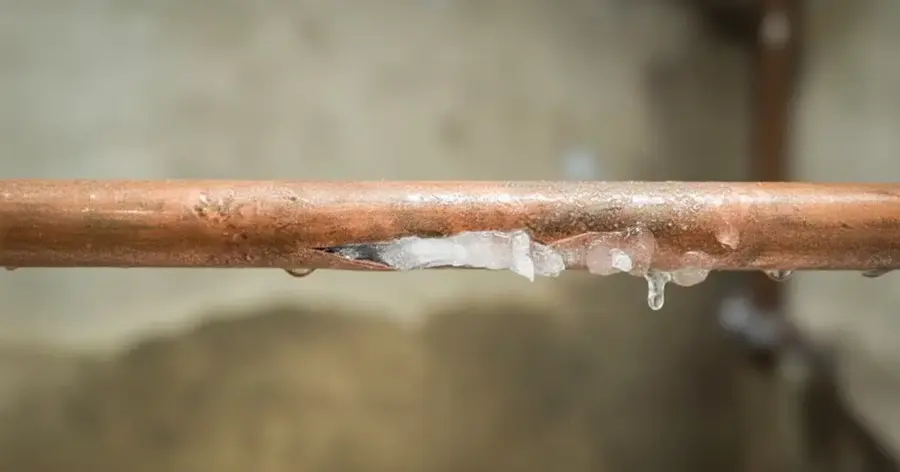
Frozen Pipe Water Damage
Freeze splits release water at the thaw, so wet walls, ceilings and floors are dried.
See the service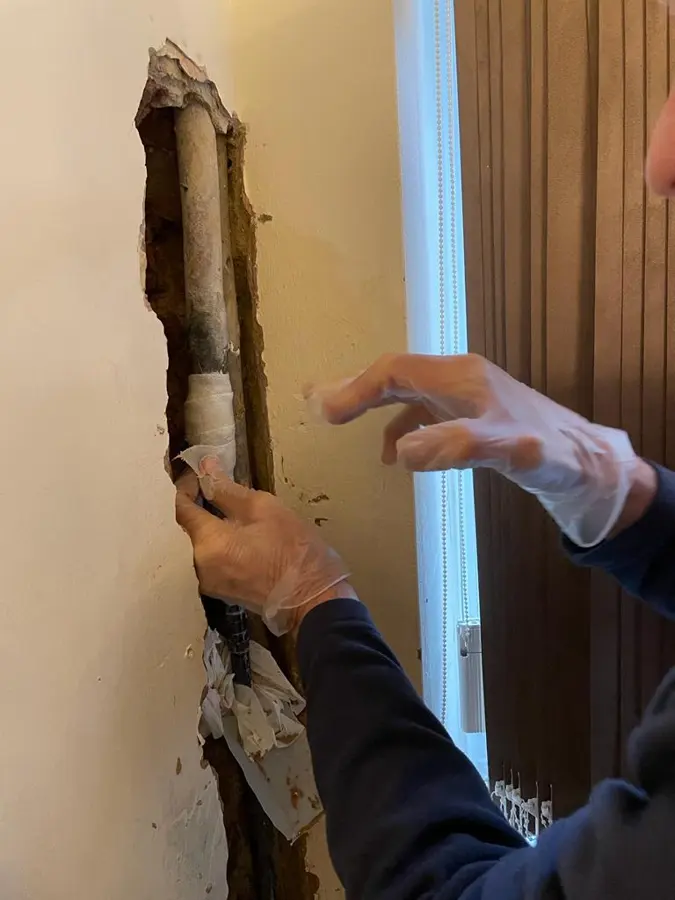
Burst Pipe Water Damage
A burst pipe floods fast, so extraction comes first and wet materials are opened and dried.
See the service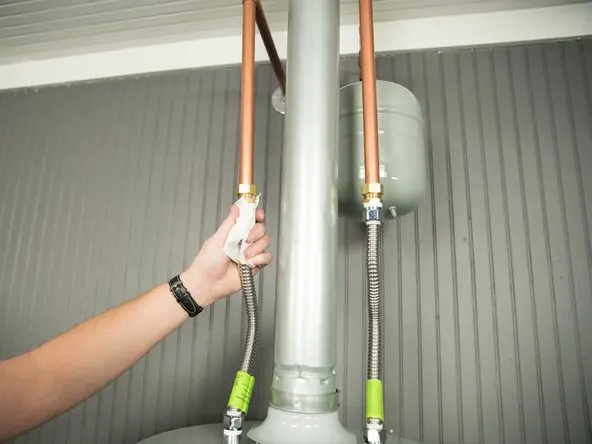
Water Heater Leak Cleanup
A failed tank soaks the floor and nearby walls, and the area is extracted and dried.
See the service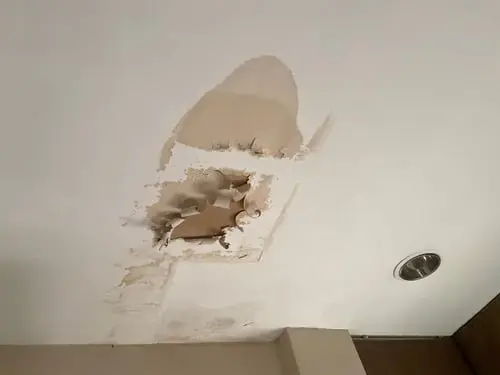
Ceiling Leak Water Damage
Stained or sagging ceilings are traced, opened where wet and dried in place.
See the service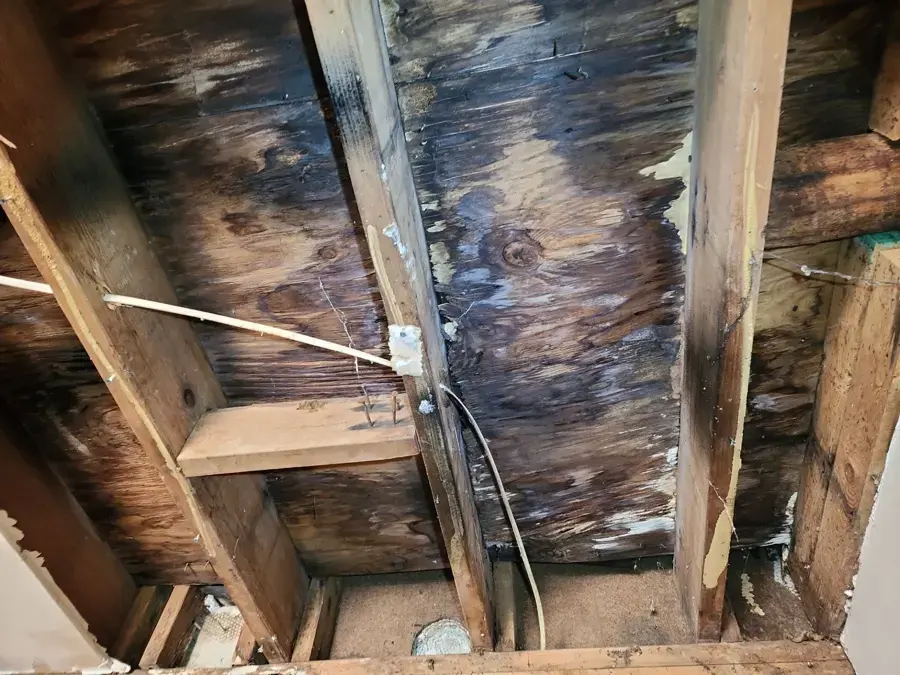
Roof Leak Water Damage
Roof water that reaches the attic and ceilings gets wet insulation removed and the framing dried.
See the service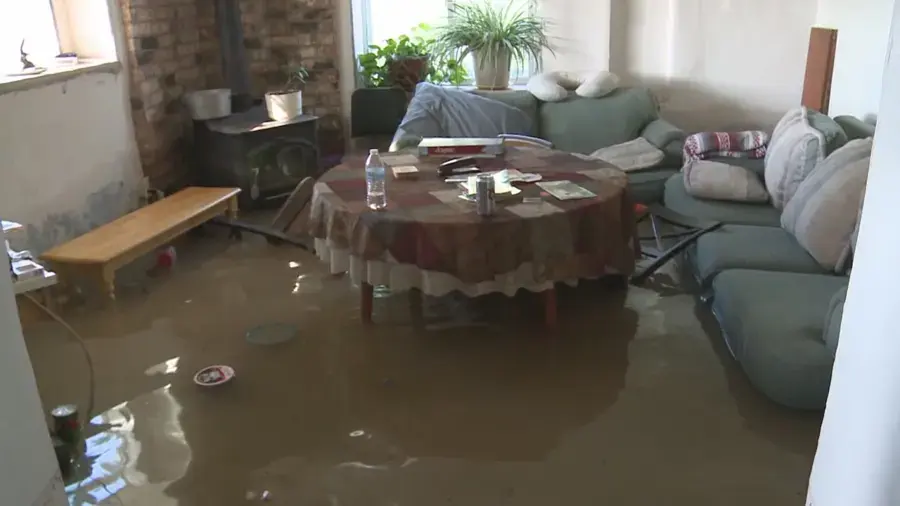
Storm and Flash Flood Cleanup
Flash flood water in a garage or living space is pumped out and treated.
See the service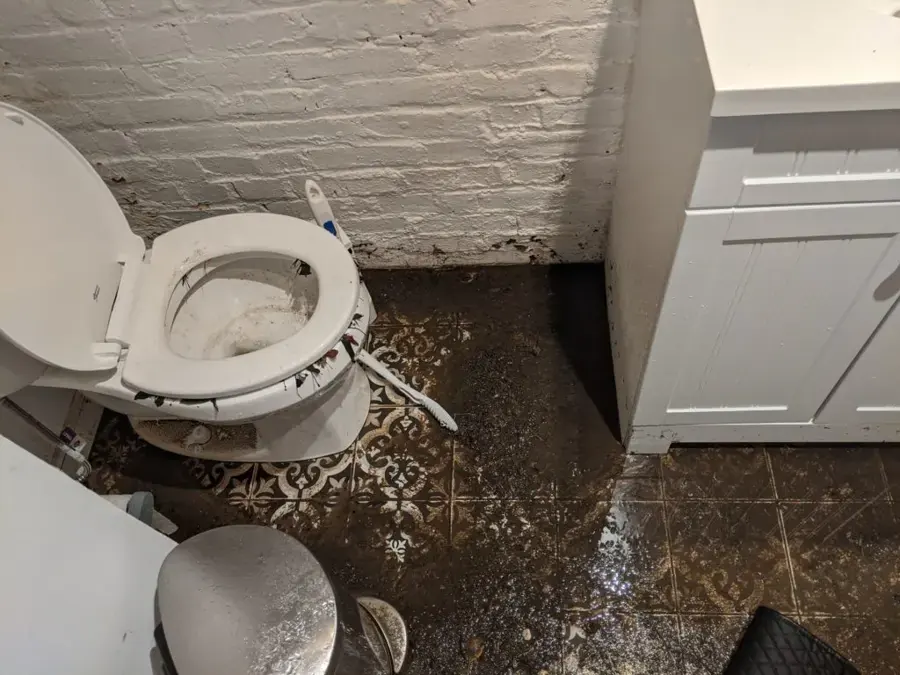
Sewage Backup Cleanup
Sewage backups are contained, removed and sanitized with protective gear and dwell time respected.
See the service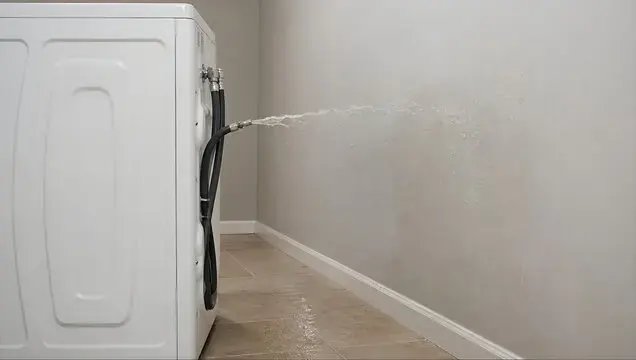
Appliance and Supply Hose Leaks
Failed washer hoses and dishwasher supplies are dried out of floors, cabinets and the subfloor.
See the service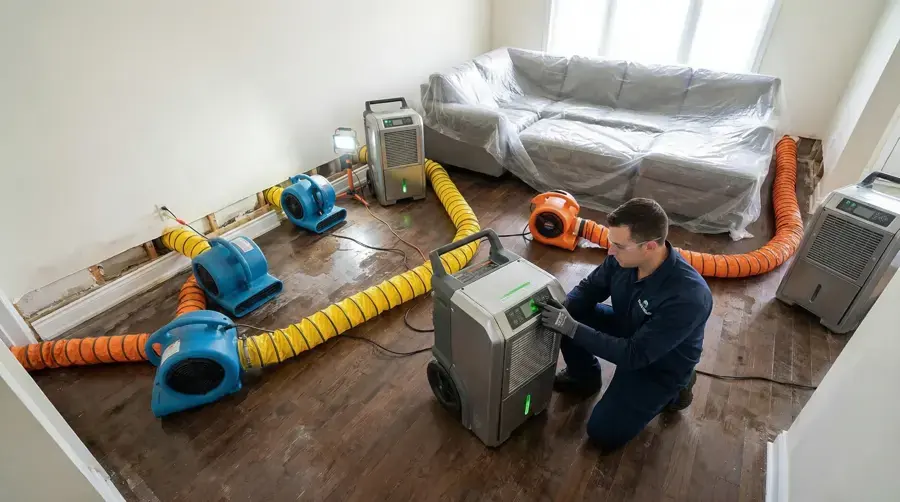
Structural Drying and Dehumidification
Air movers and dehumidifiers dry framing, subfloors and walls until the readings match dry material.
See the service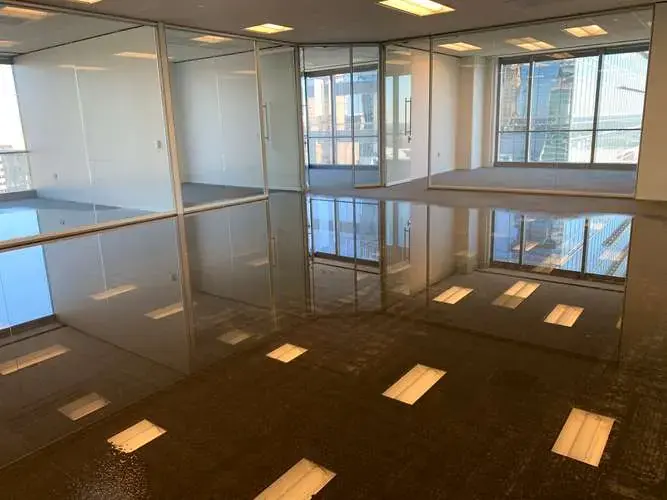
Commercial Water Damage
Shops, offices and mixed-use buildings get phased drying that keeps the business running.
See the serviceDrying that is measured, not guessed
Water damage in a house, loft or shop gets the same disciplined routine: stop the spread, extract, dry to a target and record every reading.
Open all hours
Pipes fail at night and storms hit on weekends, so a call at any hour gets the crew sent out and the work planned.
Equipment that fits
Extractors, LGR dehumidifiers and air movers are chosen for the material and the volume of water, not hauled in by default.
Claim-ready records
Moisture maps, photos and daily readings are logged so an adjuster can see what was wet, what was removed and when it dried.
Water and sewage only
The work stays inside water and sewage losses, so the methods, gear and paperwork stay focused on one kind of problem.
What water damage cleanup typically costs
Price follows the size of the area, the water category and how deep the moisture went, so a small clean-water loss costs far less than a wide, contaminated one.
Small clean-water loss
- Extraction and a moisture map
- Air movers and a dehumidifier
- Readings until the material is dry
Spread across several rooms
- Wet flooring and baseboards removed
- Dehumidifiers staged in each zone
- Daily monitoring of every room
Wide, deep or contaminated loss
- Flood cuts and full material removal
- Containment with air scrubbers
- A complete drying record for the claim
Final pricing depends on what the moisture readings and the inspection find, and the figures above are ranges, not quotes.
Run the water damage cost calculatorWhat the work looks like once it starts
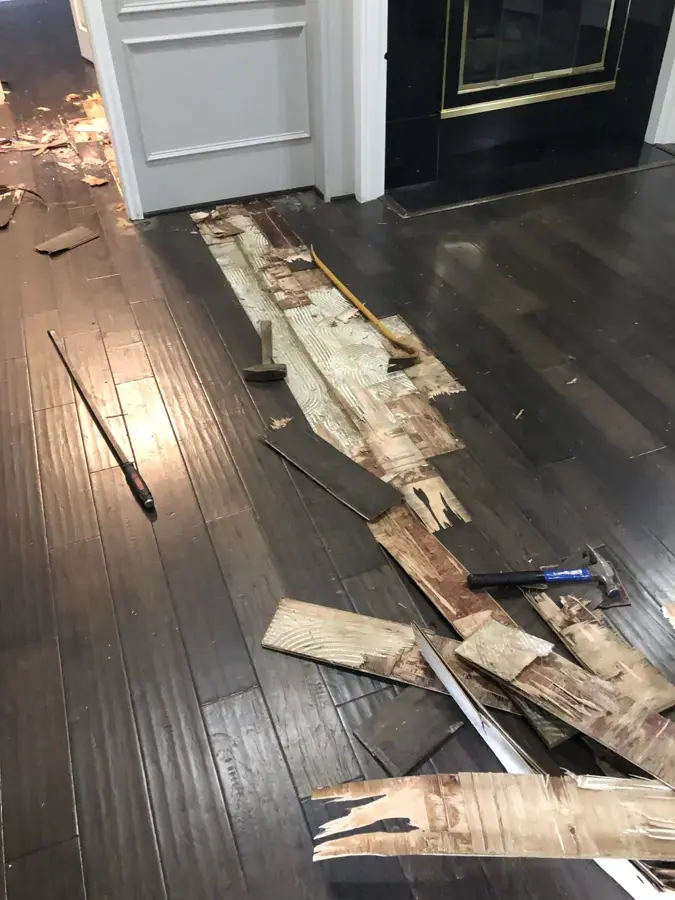
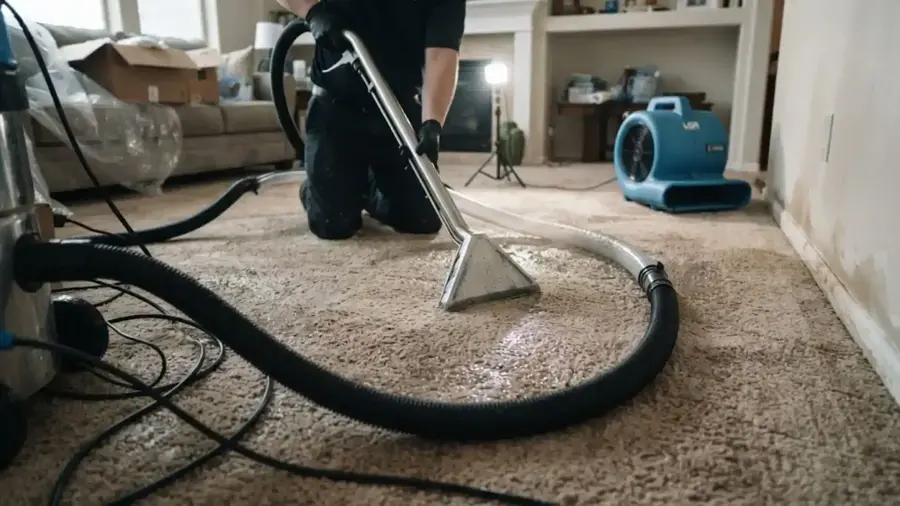
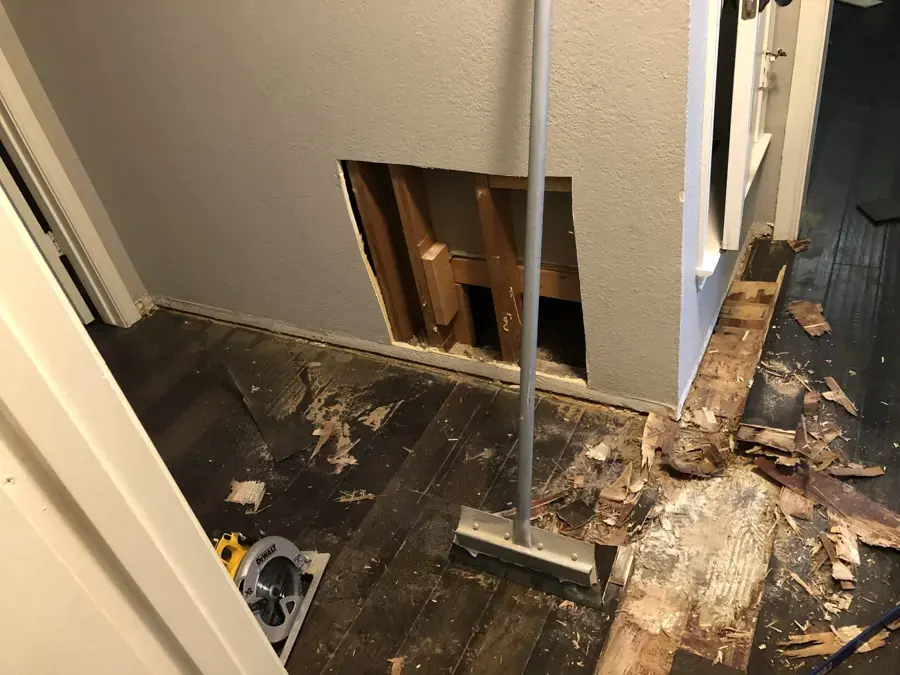
A drying standard that is measured
Every loss follows the same sequence, so a leaking pipe in a quiet cul-de-sac and a flooded suite in a retail center both end with documented dry readings.
Inspect first
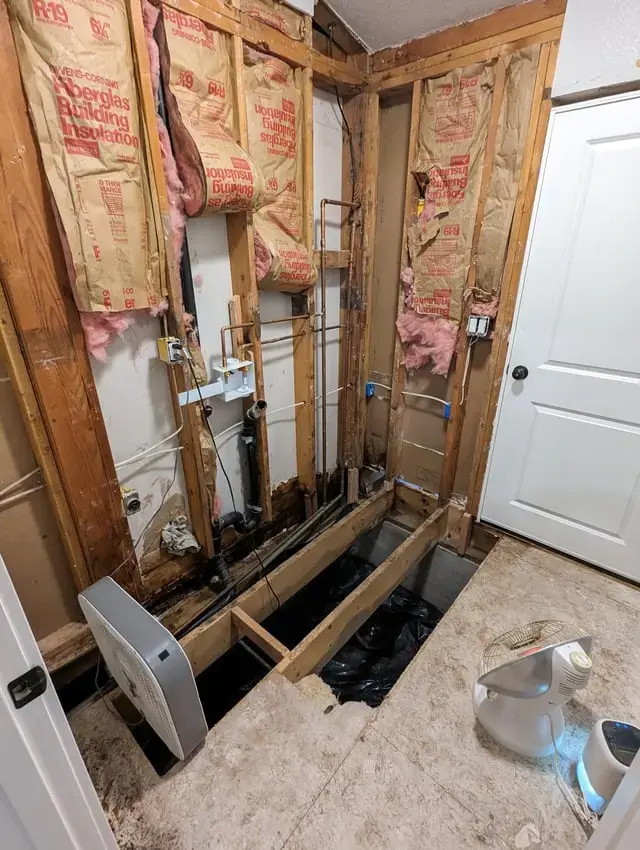
Moisture meters and a thermal camera show how far the water travelled behind walls and under floors, which sets the scope before anything is removed.
Extract and remove
Standing water comes out first, then saturated pad, insulation or drywall that cannot dry in place goes out with it.
Dry with purpose
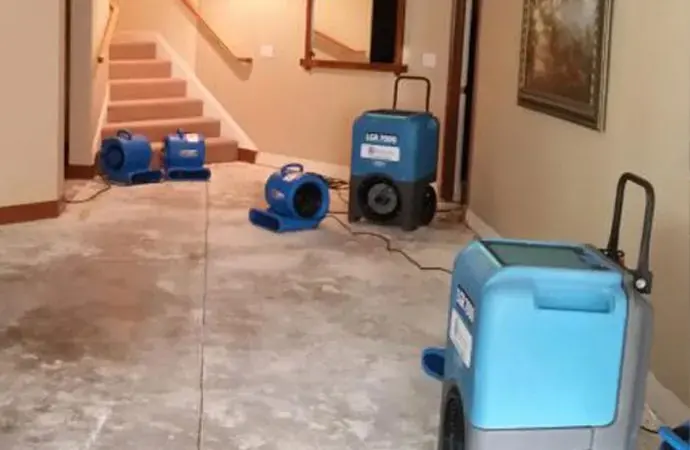
Air movers, LGR dehumidifiers or desiccant units are set to the room's volume and the materials in it, then adjusted as the readings change.
Verify and record
Daily readings continue until each material reaches its dry standard, and the log is kept for the insurance file.
Preparing the insurance claim
Adjusters want proof of the cause, the extent and the drying, so the paperwork is built while the equipment is running.
- Dated photos of every wet room taken before anything is moved
- A written moisture map with the reading at each tested point
- Receipts for emergency repairs, such as a plumber's pipe fix
- A list of discarded materials with their approximate sizes
- The daily drying log showing when each area reached its target
What homeowners can do first
Shut off the water at the main valve if a pipe is the cause, photograph the damage, and move small valuables and rugs out of the wet area.
Then report the loss to the carrier early, and keep removed materials until the adjuster says they can go.
What runs on a typical job
- Truck-mounted extractors. Strong vacuum power lifts standing water from carpet, tile and concrete far faster than portable units.
- LGR dehumidifiers. Low grain refrigerant units pull moisture out of the air so walls and framing release what they hold.
- Air movers. Directed airflow across floors and low walls speeds evaporation from the surface.
- Moisture meters and cameras. Probes and thermal imaging find hidden wet spots and confirm when the drying is finished.
Reaching homes and shops across the town
Crews work across the town's established neighborhoods, newer master-planned areas and commercial districts, wherever a pipe, roof or creek has let water in.
Losses that spill into neighboring communities get identical equipment and documented drying.
See the wider service regionEmail for questions that can wait: contact@
Serving homes and businesses across Flower Mound
Neighborhoods and main corridors
Nearby cities
What to do in the first moments of a leak
- Stop the source Close the main shut-off valve for a pipe or appliance, or switch off the breaker for any room where water is near outlets.
- Stay out of danger Avoid standing water near electrical equipment, and keep children and pets out of any water that came from a drain.
- Document the damage Photograph the wet walls, floors and belongings before anything is moved or thrown out.
- Protect belongings Raise furniture legs onto blocks and move small items to a dry room.
- Make the call Call a restoration crew so extraction and drying equipment can be scheduled before materials swell.
Clean, gray and black water differ
The source of the water decides how much protective gear, removal and sanitizing the job needs.
Clean water supply breaks
Water from a split supply pipe, a failed hose or a leaking tank starts clean and stays manageable if it is removed before materials sit wet.
Learn about extractionGray water from appliances
Dishwasher and washing machine discharge carries soap and light contamination, so wet porous materials are usually removed.
Review appliance leaksBlack water from sewage
Sewage and creek or flood water carry bacteria, so containment, protective gear and disposal of soaked porous materials are required.
Read about sewage cleanup
Creeks, freezes and permits shape local losses
Several local conditions raise the odds of a wet home.
- Flash flooding along creeks. The Town marks flood hazard areas along Bakers Branch, Graham Branch, McKamy Creek, Sharps Branch, Whites Branch and Wichita Creek, plus the low ground around Lake Grapevine.
- Slab foundations across North Texas. Slab-on-grade is a North Texas regional pattern, and when a pipe leaks under one the water surfaces in flooring first. Established neighborhoods here were mostly built out in the late 1990s and early 2000s.
- Freezes that split pipes. A modeled climate table puts the January average low near 31 degrees Fahrenheit, so pipes in garages and outside walls freeze first and often burst at the thaw.
- Permits on water heaters. A water heater replacement needs a Town permit and inspection, and repairs to water or sewer pipes need a plumbing permit, which leaves a useful paper trail for the claim.
- Mixed-use buildings. Lakeside DFW pairs apartments and a high-rise condominium tower with commercial space, and retail centers like Parker Square and The River Walk at Central Park mean one leak can reach several occupants.
February 2021, Winter Storm Uri. During Winter Storm Uri the Town opened a warming center for residents without power, schools closed for the week, and many southern Denton County households found frozen pipes that burst after temperatures rose above freezing.
Flower Mound water damage questions
Still have a question about a leak?
Describe the loss by phone and the crew will explain the next step, from shutting off water to scheduling extraction.
(888) 527-9134 Ask about a local leakHow quickly does water spread through a house?
Water wicks into drywall, baseboards and subfloors quickly, and swelling and staining follow. Extraction should start as early as possible, because the longer materials sit wet, the more of them has to be removed instead of dried.
How long does structural drying usually take?
It depends on the materials and how wet they got. Carpet and drywall dry sooner than hardwood, plaster or concrete, and the daily moisture readings, not a calendar, decide when the equipment comes out. Dense materials hold water longest and need the most patience.
Why do pipes burst after the thaw rather than during the freeze?
Ice expands inside the pipe and can crack it, but the ice itself keeps the crack plugged. Once temperatures rise above freezing, water pours through the split, the pattern reported across southern Denton County during Winter Storm Uri.
Does a water heater replacement need a permit here?
Yes. The Town requires a permit and an approved final inspection, and the work must be done by a plumber registered with the Town unless a homeowner with a homestead exemption does it personally. Emergency permits exist for occupied homes without water or gas.
Is creek flooding covered by a standard homeowners policy?
Standard homeowners policies generally exclude rising flood water, which is handled by separate flood coverage, and FEMA maps mark the Special Flood Hazard Area, the zone expected to flood in a 1 percent annual chance storm. The policy wording decides coverage.
What happens when sewage backs up in a bathroom?
The area is isolated, protective gear goes on, and contaminated water and porous materials are removed before surfaces are cleaned, treated and dried. A plumber finds the cause, and Public Works handles the Town's own water and wastewater service.
Can a leak in a condominium reach the unit below?
Yes. Water follows framing and plumbing chases down through ceilings, so a leak in one unit can wet the ceiling, walls and floor of the unit beneath, and each unit's drying is documented separately for the insurers involved.
Can a shop or office stay open during drying?
Often yes. Drying is phased by zone, equipment is placed to keep entrances and work areas usable where possible, and after-hours scheduling is available for the heaviest noise. The tenant or manager decides what can safely stay in use.
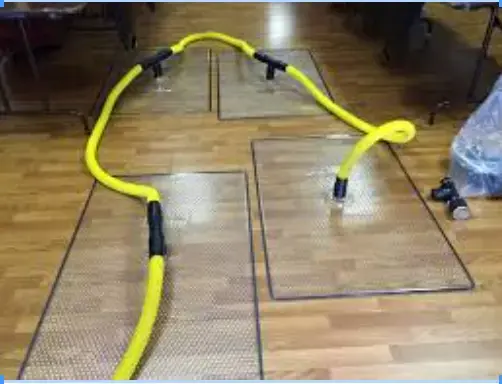
Do wet hardwood floors have to be replaced?
Not always. Boards that have only started to cup can often be dried with floor mats and desiccant equipment, but flooring that is buckled, delaminated or soaked through with contaminated water is usually removed.
What should be photographed before cleanup starts?
Every wet room, the source of the water and any damaged belongings. Photos taken before removal and drying let the adjuster compare the starting condition with the final dry readings, and they protect the claim if a dispute arises.
Stop the water from spreading further
Whether a pipe split in the attic, a heater failed or a storm drove water through the door, one call starts the extraction and drying plan with daily documented readings.
(888) 527-9134Book extraction by phone