Storm and Flash Flood Cleanup in Grapevine, TX
Outside water carries soil, sewage and debris, so it is Category 3 the moment it comes in. The mitigation team pumps it out, removes the porous materials it touched, treats the surfaces and dries the structure.
(888) 527-9134Start Grapevine flood water cleanup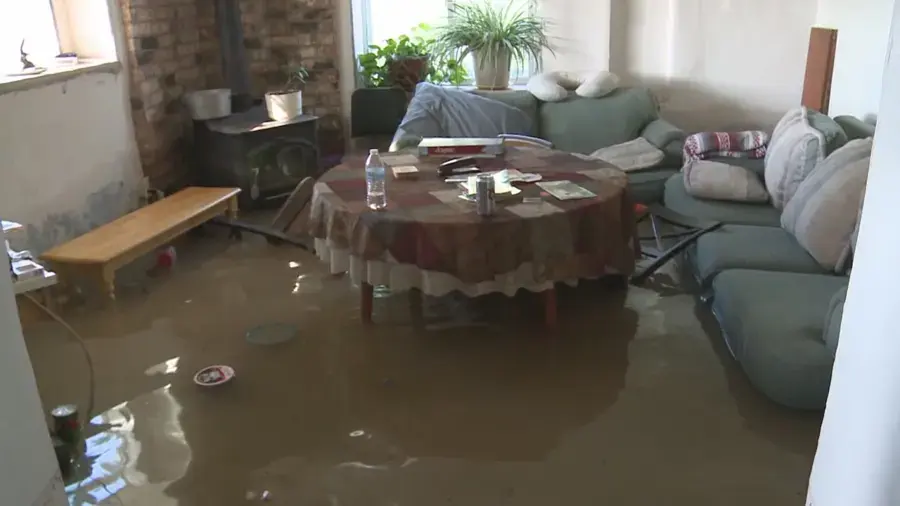
First steps for storm and flash flood cleanup in Grapevine, TX
- 01Stay out of moving water Never walk or drive through flowing water, and keep children and pets away from it.
- 02Cut power only if it is safe Turn off the main breaker only if you can reach it without standing in water.
- 03Photograph the water level Pictures of the water mark on walls and furniture help the flood claim.
- 04Do not wait for it to dry Flood water left in place soaks deeper into walls and floors, so start the removal quickly.
Flood water from outside is never clean. Runoff from streets, yards and creeks carries soil, oils, sewage and bacteria into the home. The mitigation team treats it as Category 3 from the start: the water is pumped and extracted, the carpet, pad, insulation and lower drywall it touched are removed, and the remaining surfaces are cleaned and treated before drying begins.
What does storm and flash flood cleanup cost in Grapevine, TX?
Storm and flash flood cleanup here typically runs $3,000 to $25,000, depending on the water depth, the number of rooms and how much drywall, flooring and insulation has to come out.
Garage or one room, shallow water
- Water pumped and extracted
- Carpet and pad removed
- Surfaces treated
Several rooms, wall bottoms cut out
- Flood cuts in affected walls
- Wet insulation removed
- Structural drying
Whole floor, flood cuts throughout
- Full-floor removal
- Containment and air scrubbers
- Full drying log for the claim
These are typical ranges, not a quote. The water category, the wet square footage, the material class and how soon drying started move the final number most.
Run the Grapevine water damage cost calculatorHow storm and flash flood cleanup is handled in Grapevine
Make it safe
The response team checks power, gas and the structure, then records the water depth and the category.
Pump and extract
The extraction crew removes flood water with pumps and extractors, starting with the deepest areas.
Remove and treat
The mitigation team removes porous materials the water touched and treats surfaces with an EPA-registered antimicrobial.
Dry and verify
The drying team dries framing and slab to the dry reference, logging readings daily for the claim.
Where storm water comes from in Grapevine
The city sits on two drainages. The north side drains toward Lake Grapevine, Denton Creek and Cottonwood Branch, and the south side drains toward Big Bear Creek and Little Bear Creek. Heavy spring downpours can overwhelm street drains and push water toward garages and low entry doors.
The lake itself is a flood-control reservoir on Denton Creek. On May 31, 2015, it topped its spillway for the fourth time in its history and crested at 561.55 feet against a normal pool of 535 feet.
Why flood water means removal, not just drying
Porous materials soak up whatever the water carried. Under the IICRC S500 approach, materials touched by Category 3 water are removed rather than dried:
- Carpet and pad are removed and discarded
- Drywall is cut out above the water mark with a flood cut
- Wet insulation inside the walls comes out
- Hard surfaces are cleaned and treated with an EPA-registered antimicrobial
Flood insurance and the claim file
Most homeowners policies exclude outside flood water, which is why flood coverage is usually a separate policy through the National Flood Insurance Program. FloodSmart explains how that coverage works, and Ready.gov covers safety before going back into a flooded home.
Either way, the restoration team photographs the water level, records the category and logs every reading for the adjuster. Sewage that backs up from a drain is a different loss, handled under sewage backup cleanup.
Storm and Flash Flood Cleanup across Grapevine and northeast Tarrant County
Service runs across ZIP 76051 and 76099: Historic Main Street and Original Town, the College Street district, Silver Lake Estates and the Dove Road side near the lake, Western Oaks, Hidden Lake Estates, and the south side along Hall-Johnson Road and Glade Road.
Nearby coverage reaches Southlake, Colleyville, Coppell, Euless, Bedford, Flower Mound, Trophy Club and Irving.
Every Grapevine neighborhood and ZIP coveredRelated water damage services in Grapevine
Storm and Flash Flood Cleanup questions in Grapevine, TX
Water still moving in Grapevine?
Flood water inside a home? The mitigation team handles it 24/7.
(888) 527-9134 Start the Grapevine flood cleanupIs storm flood water really Category 3?
Yes. Water that comes from outside carries soil, bacteria and often sewage, so it is handled as Category 3 from the moment it enters.
Why does drywall have to be cut out?
Drywall wicks contaminated water upward and cannot be cleaned inside. It is cut out above the water mark so the wall cavity can be cleaned, treated and dried.
Does homeowners insurance cover flood water?
Most homeowners policies exclude outside flood water, which usually needs a separate flood policy. Coverage depends on your policy, so check with your own insurer.
Is storm flooding the same as a sewage backup?
No. Storm flooding is outside water coming in, while a sewage backup comes up through the drains. Both are Category 3, but the source and the claim differ.
How long does flood drying take?
After removal and treatment, the structure usually dries in several days. The drying time estimator shows a typical window.
What has to be thrown away after a flood?
Porous items soaked by flood water, such as carpet, pad, mattresses and upholstered furniture, usually cannot be saved. Hard items can often be cleaned and disinfected.
Storm water in your home?
Outside water carries contamination into floors and walls. The mitigation team removes it, treats the surfaces and dries the structure.
(888) 527-9134Grapevine flood cleanup, any hour