Water Damage Restoration in Coppell, TX
In Coppell, a split supply pipe, a roof hit by hail or a backed-up drain all leave water in the wrong place. Crews extract it, map the moisture and dry the structure until readings confirm it.
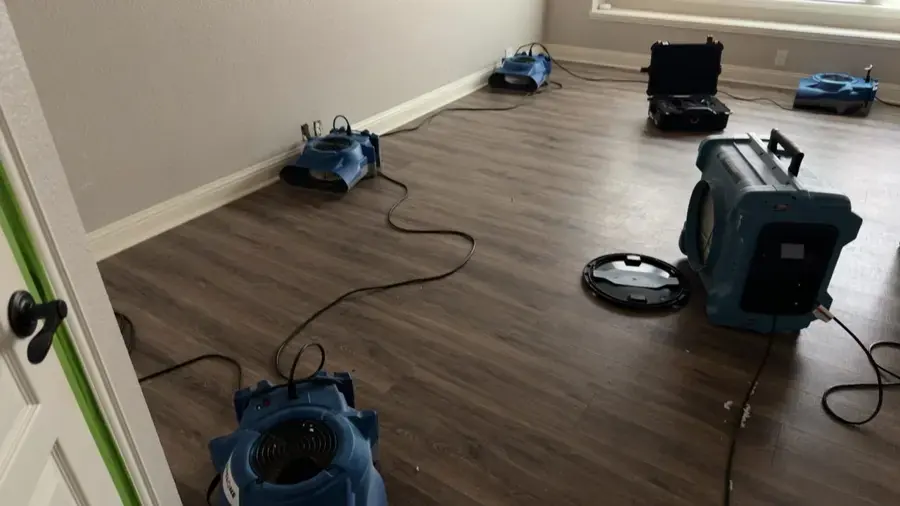
Twelve water problems the crews handle
Pick the loss closest to what happened, and that service shows the work, the cost range and the drying plan.
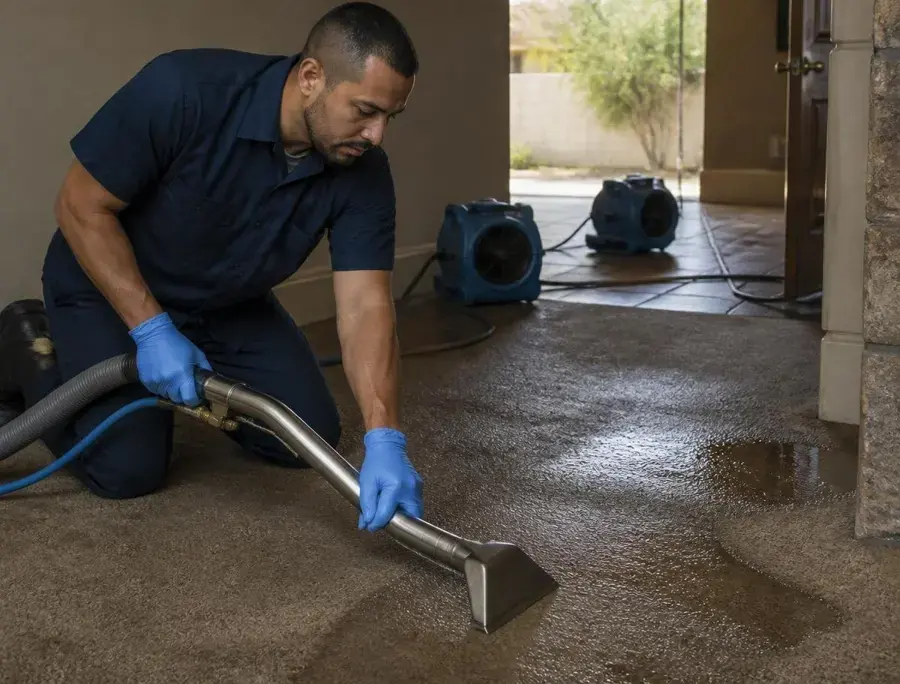
Water Extraction and Removal
Truck-mounted extractors lift standing water from carpet, pad and hard floors.
See the service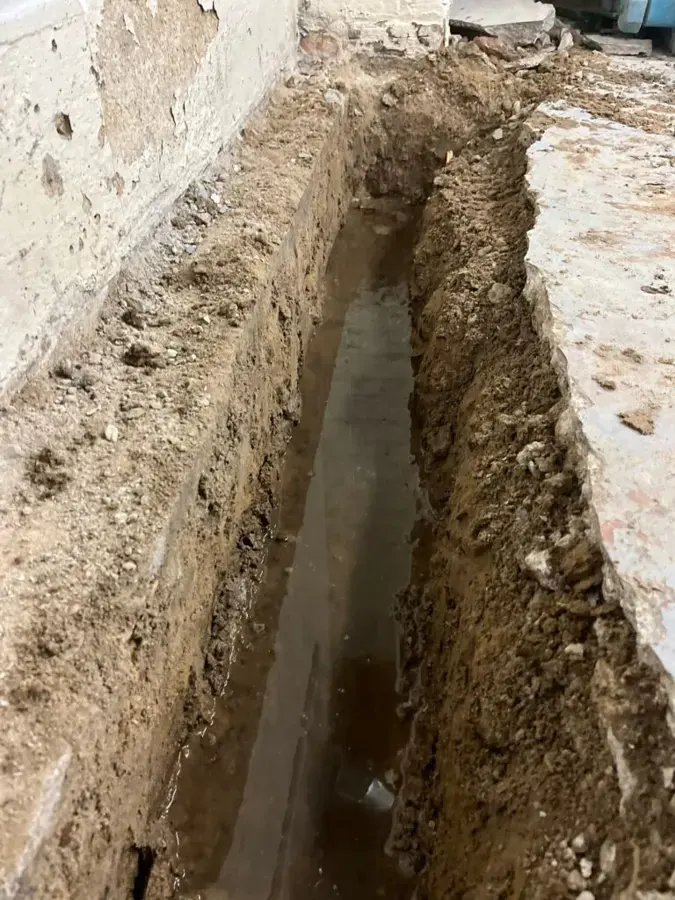
Slab Leak Water Damage
A supply pipe failing under concrete is traced first, then the flooring above it is dried.
See the service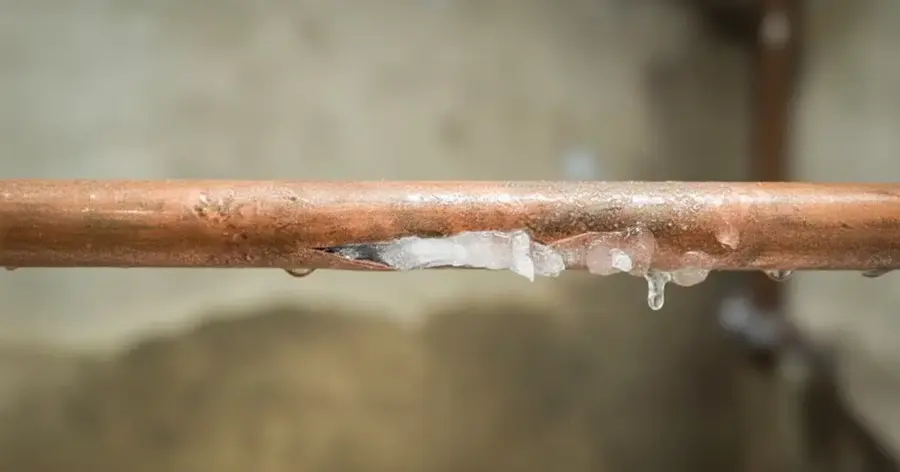
Frozen Pipe Water Damage
A hard freeze splits pipes, and the wet ceilings and walls below are opened and dried.
See the service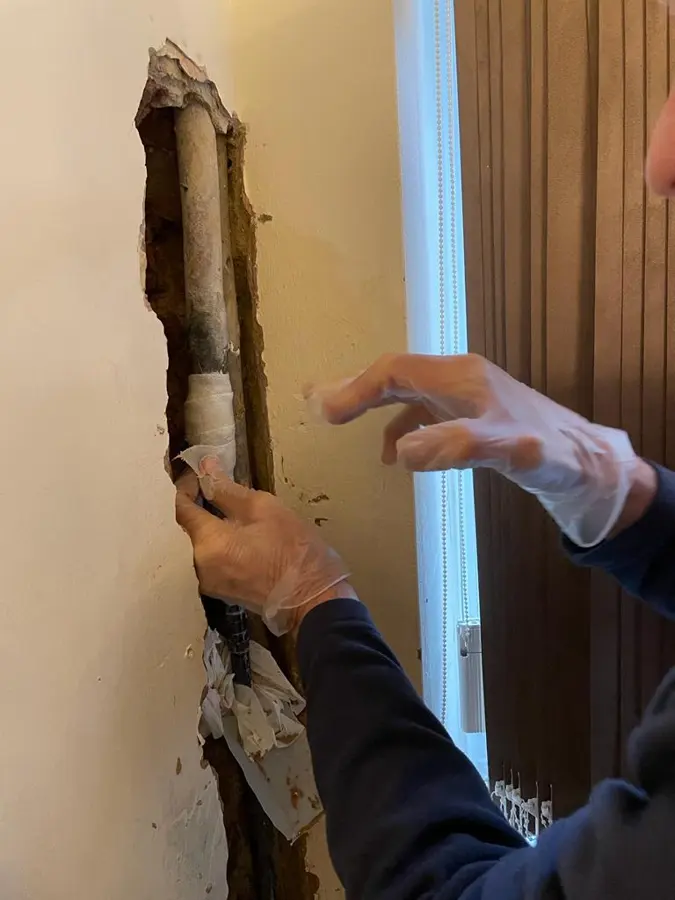
Burst Pipe Water Damage
A burst pipe soaks a wall fast, so cavities are vented and swollen flooring comes up.
See the service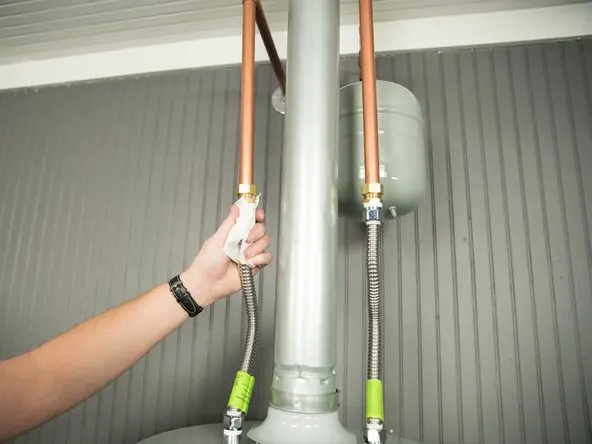
Water Heater Leak Cleanup
A leaking tank wets the floor and sometimes the ceiling below, and both get dried.
See the service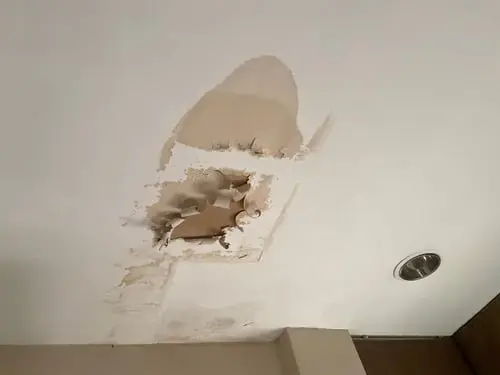
Ceiling Leak Water Damage
The source is traced, then wet ceiling sections and soaked insulation are dried or removed.
See the service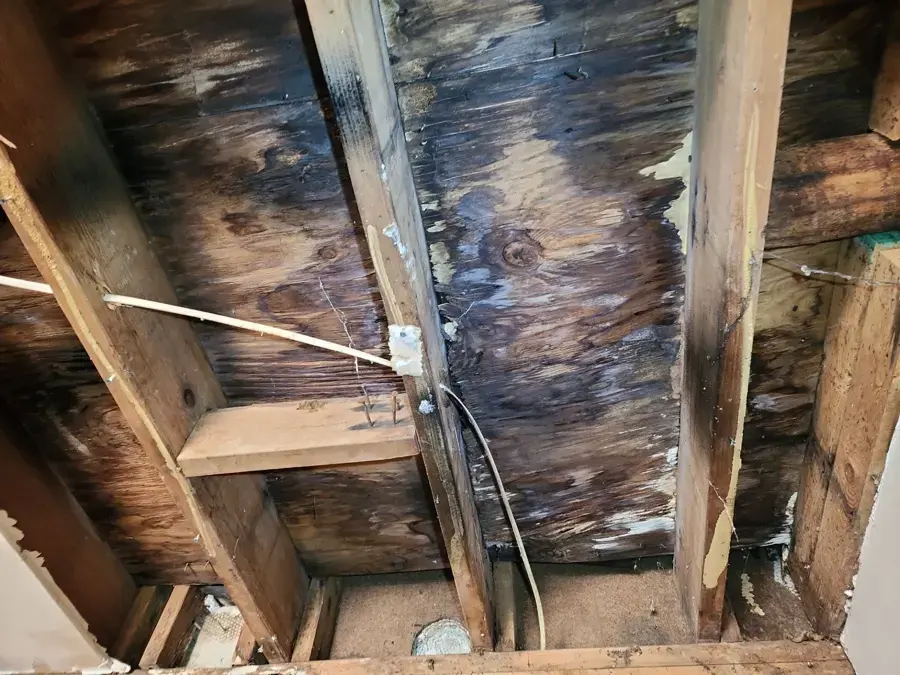
Roof Leak Water Damage
Hail and worn roofing let rain into the attic, and wet decking and ceilings get dried.
See the service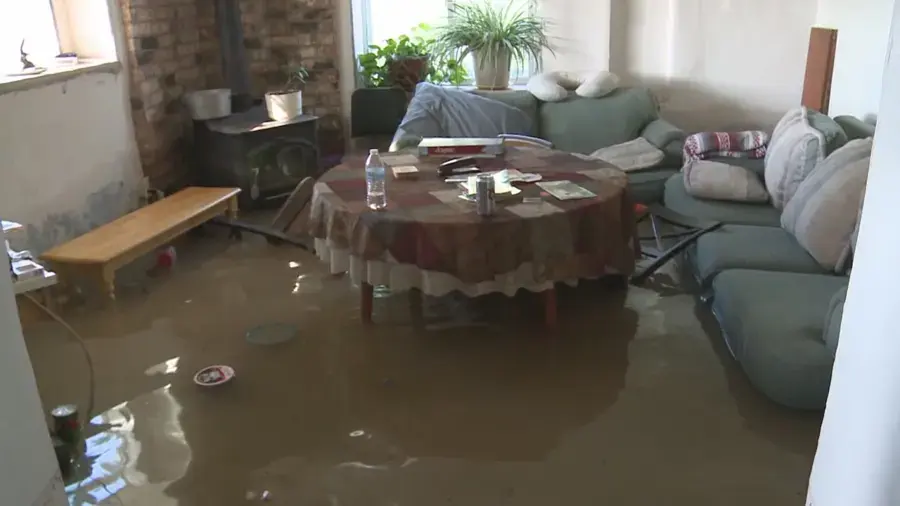
Storm and Flash Flood Cleanup
Storm runoff is pumped out, then wall bottoms and flooring are cut and dried.
See the service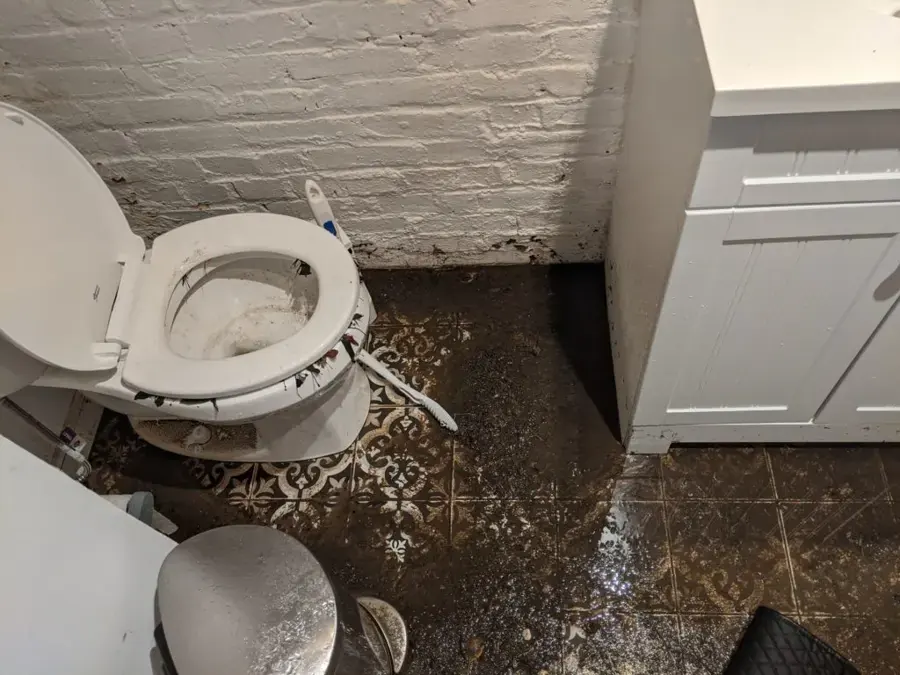
Sewage Backup Cleanup
Contaminated water is contained, removed and treated, and porous materials that soaked it come out.
See the service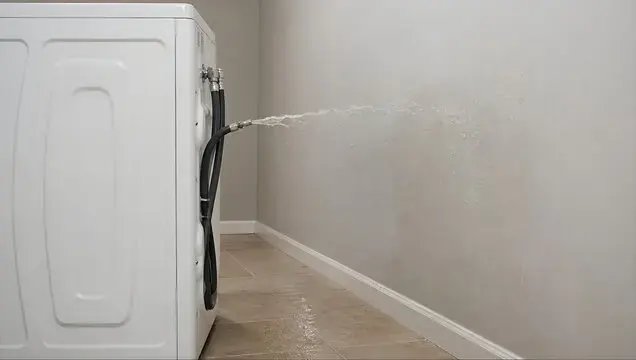
Appliance and Supply Hose Leaks
A failed washer hose or dishwasher drain wets cabinets and flooring, which get dried.
See the service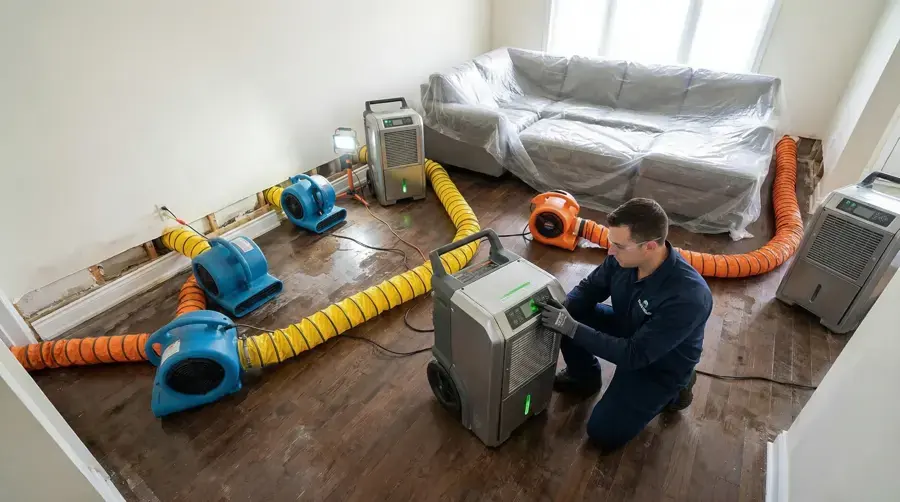
Structural Drying and Dehumidification
Dehumidifiers and air movers dry framing, drywall and floors in measured steps until readings pass.
See the service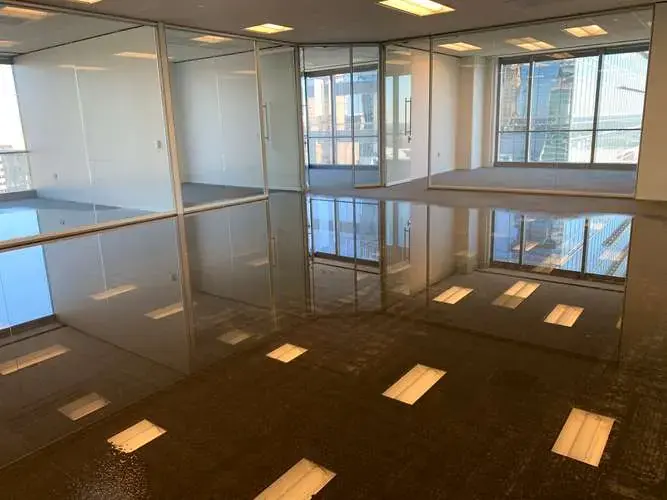
Commercial Water Damage
Suites, shops and warehouses are dried in phases so business can continue.
See the serviceDrying that follows the building
Every house holds water differently, so each job starts with a moisture map and ends only when readings match a dry reference.
Crews ready overnight
Pipes burst after midnight and roofs fail on holidays, so extraction crews stay available around the clock, every day.
Gear sized to the loss
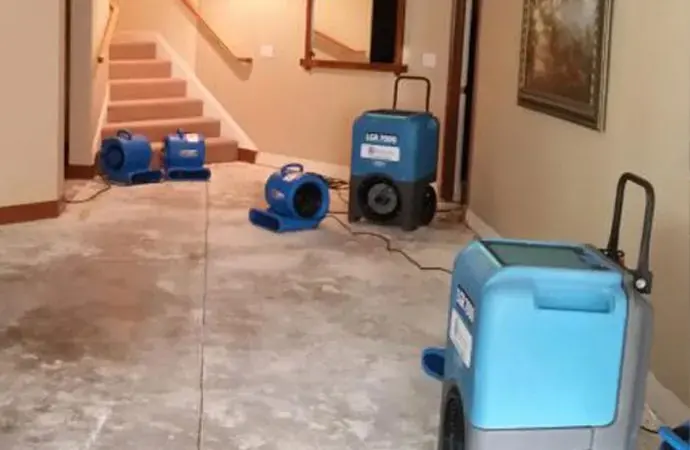
A small appliance leak gets a few air movers, while a soaked floor gets extractors and LGR dehumidifiers matched to the water.
A record for the adjuster
Photos, readings by room and a dated drying log go into one file that an insurance adjuster can follow without guessing.
A scope set before work
Each room gets a written scope covering what comes out, what stays and which price range applies, so the final bill matches the plan.
What water damage cleanup usually costs
Cleanup in a Coppell home usually runs from $1,200 for a caught-early clean water loss to $32,000 or more for a large or contaminated job. Water category and square footage drive the spread.
Caught early, clean water
- One or two rooms extracted
- Air movers and a dehumidifier
- Moisture checked daily
Wider loss, materials out
- Wet carpet and pad removed
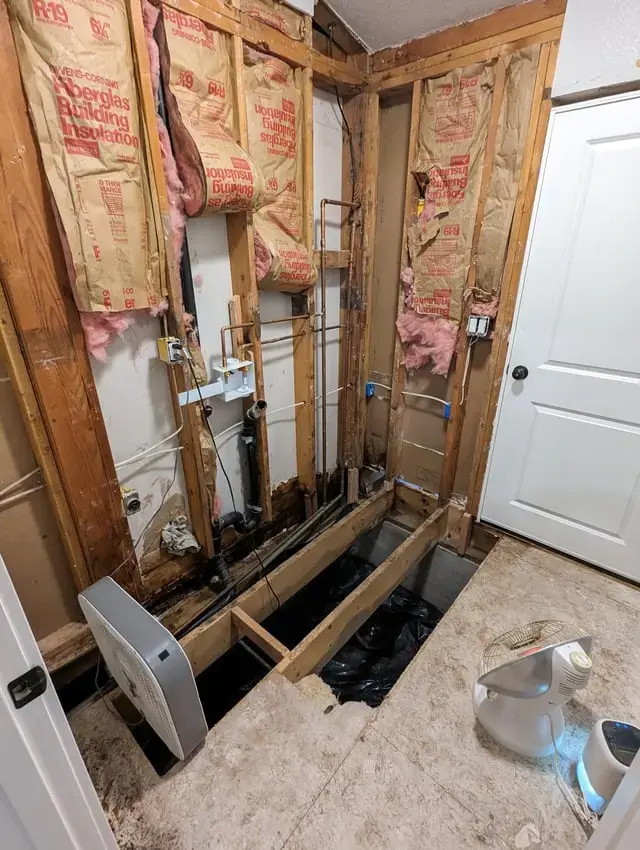
- Wall cavities opened and dried
- Several rooms monitored
Large, gray or black water
- Containment and air scrubbers
- Flooring and drywall removal
- Full drying log for adjusters
These ranges are typical, not a quote. The final figure moves with the water category, the floor area and the materials involved.
Run the water damage cost calculatorWhat drying and demolition look like in a wet house
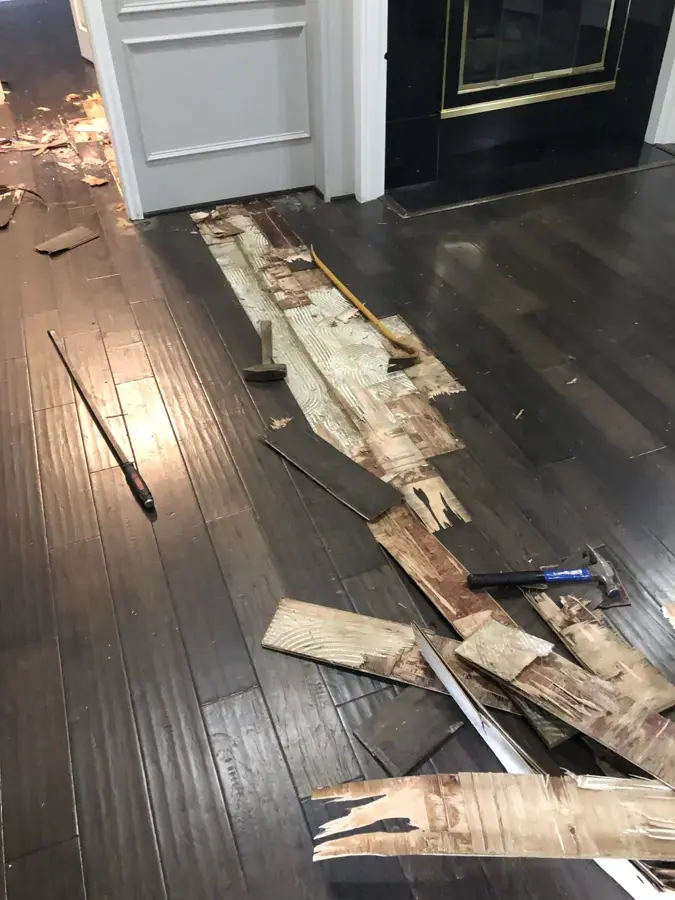
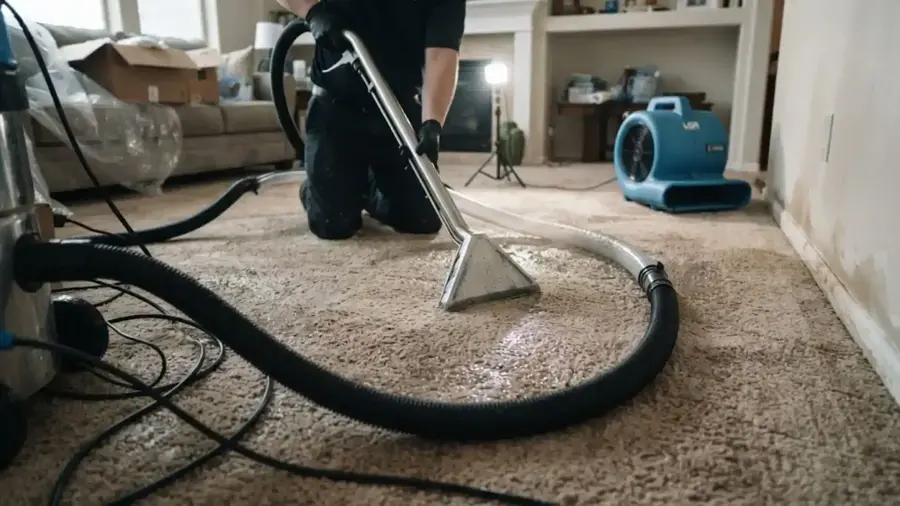
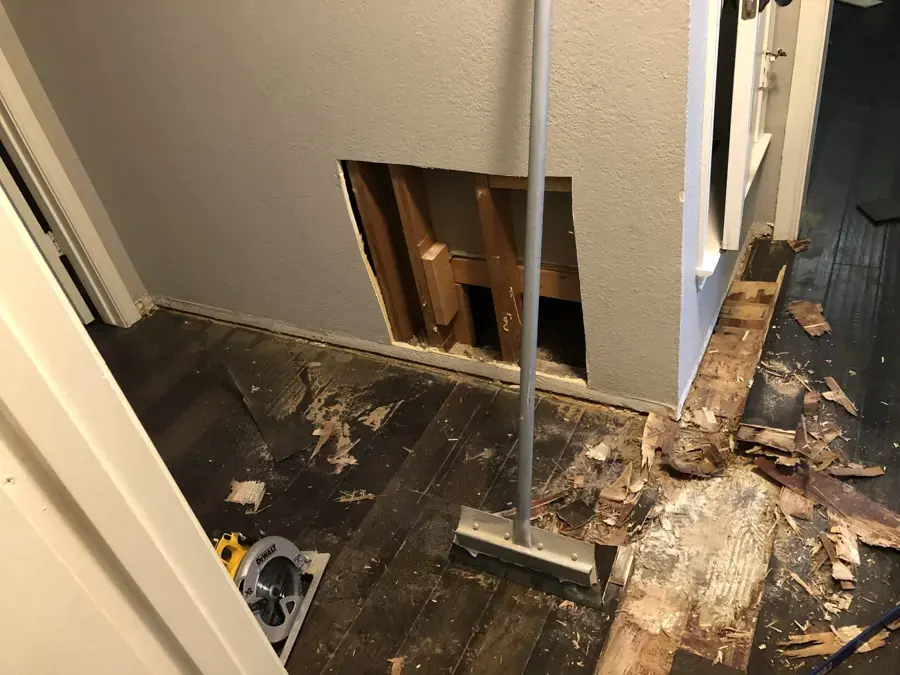
One standard for every wet house
A small leak and a flooded floor follow the same four stages, which keeps the work measurable and gives adjusters records that read the same from job to job.
Map the moisture
Meters and a thermal camera show where water traveled, including behind baseboards and under flooring, before anything is cut.
Pull the water
Extractors and pumps remove standing water first, because every gallon left in the floor slows the drying that follows.
Place the equipment
Air movers and dehumidifiers go in by room volume and material type, with desiccants for tight cavities and dense floors.
Prove it is dry
Readings return each day until every material reaches its dry reference, and only then does the equipment leave.
Records an adjuster asks for
A sudden water loss needs a paper trail, and the drying record is the strongest part of it.
- Dated photos of every wet room taken before removal begins
- Moisture readings from each visit, logged room by room
- A list of every material removed and the reason for each
- Equipment placed and the days it ran, counted per room
- Repair receipts for the pipe, heater or roof that caused the loss
When flood coverage is missing
The city says most homeowners and renters policies do not cover flooding, and a new flood insurance policy usually takes 30 days to take effect.
Read the policy before storm season, not after water is already inside, and ask the agent how sewer backup is treated.
What rolls out on the truck
- Extraction units. Truck-mounted and portable extractors pull water from carpet, pad and hard floors.
- Refrigerant dehumidifiers. LGR units remove moisture from the air so wet materials keep releasing it, even at low humidity.
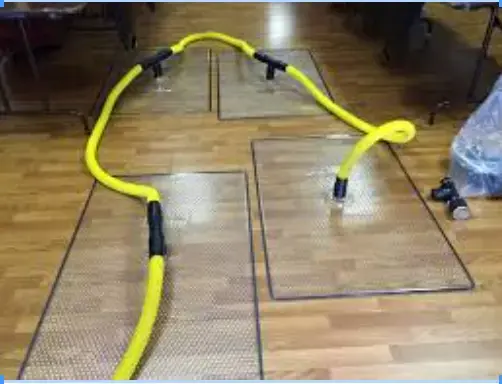
- Air movers and mats. Low-profile fans and floor mats push dry air across surfaces and pull moisture from hardwood and subfloors.
- Meters and imaging. Moisture meters and a thermal camera find hidden damp and confirm that drying has actually finished.
Where the crews work in northwest Dallas County
Jobs run from Old Town and Riverchase to Coppell Greens in the north, where the city reaches into Denton County.
The business zone in the southwest and the homes on either side of Denton Tap Road get the same mapping and drying standard.
Check coverage for an addressEmail for questions that can wait: contact@
From Old Town to the northern edge of town
Neighborhoods and corridors
Nearby cities
What to do right after water appears
- Stop the water Shut the fixture valve or the main shutoff. The city's Utility Operations Division can turn off a meter for a private pipe repair.
- Cut nearby power Switch off breakers to wet rooms only if the panel is dry, and stay out of rooms with a sagging ceiling.
- Photograph the loss Take wide and close photos of the water, the damage and the source before anything is moved.
- Lift the small things Move rugs, papers and electronics onto dry raised surfaces and leave heavy furniture alone.
- Call for extraction. Water that sits keeps spreading into framing and flooring, so the call to start pumping should not wait.
Three water categories, three kinds of handling
The category decides what comes out, how the area is contained and whether anything can be saved.
Category 1: clean water
A supply pipe, faucet or tank feed starts out clean. Fast extraction and drying often save the flooring and drywall.
See water extractionCategory 2: gray water
Washer, dishwasher and refrigerator leaks carry soap or food residue. Carpet pad usually goes, while hard surfaces clean and dry.
See appliance leaksCategory 3: black water
Sewage backups and floodwater carry bacteria, and the city warns floodwater may hold sewage and chemicals. Porous materials come out.
See sewage cleanup
Why water finds its way into homes here
A few local patterns explain why water ends up inside.
- Creeks and heavy rain Denton Creek, Grapevine Creek, Cottonwood Creek and the Elm Fork of the Trinity River run through or beside the city, and flooding follows when runoff outpaces the creeks and drainage channels.
- Hail and roofs Softball-sized hail fell on parts of the city on June 6, 2018, and one homeowner was told the roof, siding and gutters needed replacing. Damaged roofs let rain into attics long after the storm.
- Heaters in attics and garages Across North Texas, many homeowners learned in the 2021 storm that hot water heater pipes froze in attics or garages. Coppell requires a plumbing permit for water heaters.
- Sewer overflows The city names grease as one of the most common causes of sewer overflows, and tree roots or a blockage can back up a drain too. Problems go to the Utility Operations Division.
- Established neighborhoods The city's Vision 2040 plan calls the housing stock aging and early suburban neighborhoods due for refurbishment, so supply hoses, heaters and roofs deserve a look.
February 2021 hard freeze. On February 17, 2021 the city warned that hard freeze conditions would damage exposed pipes. Public Works repaired an 8-inch city water pipe break at Denton Tap and Sandy Lake after the storm.
Water damage questions from local homeowners
Water in the house right now?
Damp creeps deeper into subfloors and wall bottoms while water stands, and an early call limits how much must be removed.
(888) 527-9134 Talk to a crew nowHow much does water damage cleanup cost here?
Ranges run from about $1,200 for a clean water loss caught early to $32,000 or more for large gray or black water jobs. The moisture map, the water category and the materials involved set the real number once the crew has measured.
Does homeowners insurance cover a burst pipe?
Sudden pipe and appliance leaks are often covered, while gradual seepage and flooding usually are not. The adjuster makes the call, and dated photos, repair receipts and a drying log support the file.
What changed for pipes after the February 2021 freeze?
The city warned that exposed pipes would suffer and that more water main breaks were possible, and it asked residents and businesses to use water only when necessary. Plumbing repairs afterward needed a permit and a professional plumber.
Who handles a sewage overflow outside the house?
The city asks residents to notify the Utility Operations Division of Public Works about sluggish drains or an overflow at the city cleanout, and it names tree roots, blockages and grease as common causes. Sewage cleanup inside the house is a separate job.
Does a boil water notice mean the house is damaged?
No. A notice, like the one issued on June 28, 2023 after a power failure at the Village Parkway Pump Station, concerns drinking water. Leaks and backups inside a home are cleaned by water category and do not wait for the notice to lift.
Can hail damage cause leaks months later?
Yes. Cracked or displaced roofing can pass water into the attic quietly, and the first sign is often a brown stain on a ceiling. Softball-sized hail fell on parts of the city on June 6, 2018, so older roofs deserve an inspection.
How long does structural drying take?
It depends on the materials, the amount of water and the room volume. Crews log moisture readings and stop only when every material reaches its dry reference, rather than working to a fixed number of days.
Does the work cover commercial buildings too?
Yes. The business zone in the southwest and the shops and restaurants of Old Town need commercial water damage work such as phased drying, containment between suites and after-hours scheduling. The city also names poorly kept restaurant grease traps as a cause of overflows.
Is a flood covered like a burst pipe?
Not usually. Policies treat flood damage and plumbing failure differently, and the city says a new flood insurance policy usually takes 30 days to start, so a policy bought as the creeks rise may not help with that storm.
Do crews work nights and weekends?
Water does not keep office hours, so extraction crews work at night, on weekends and on holidays. The first visit sets up the moisture map, removes standing water and starts the drying equipment.
Water on the floor? Start the drying now
Whether it is a split pipe in Old Town or a roof leak after a storm in Riverchase, extractors and dehumidifiers go to work once the moisture map shows where the water went.
(888) 527-9134Get a crew moving on the water