Water Damage Restoration in Trophy Club, TX
Trophy Club homeowners get truck-mounted extraction, structural drying and sewage cleanup, with every moisture reading logged until the materials are dry, from Hogan's Glen to The Knoll and beyond.
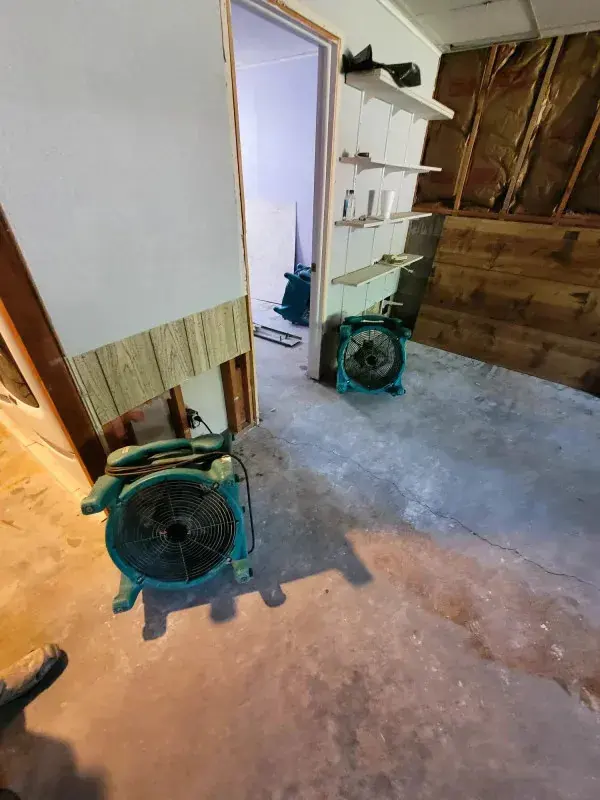
Water damage jobs the crew handles
Choose the service that fits the damage, or describe what happened and the crew will point to the right one.
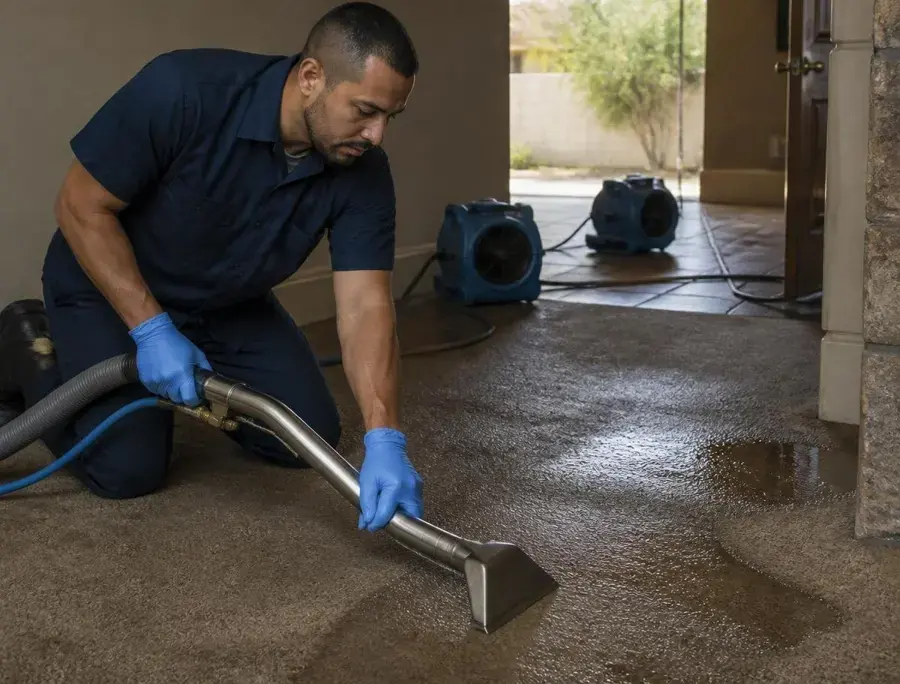
Water Extraction and Removal
Truck-mounted extractors lift standing water from floors and carpet before it soaks the subfloor.
See the service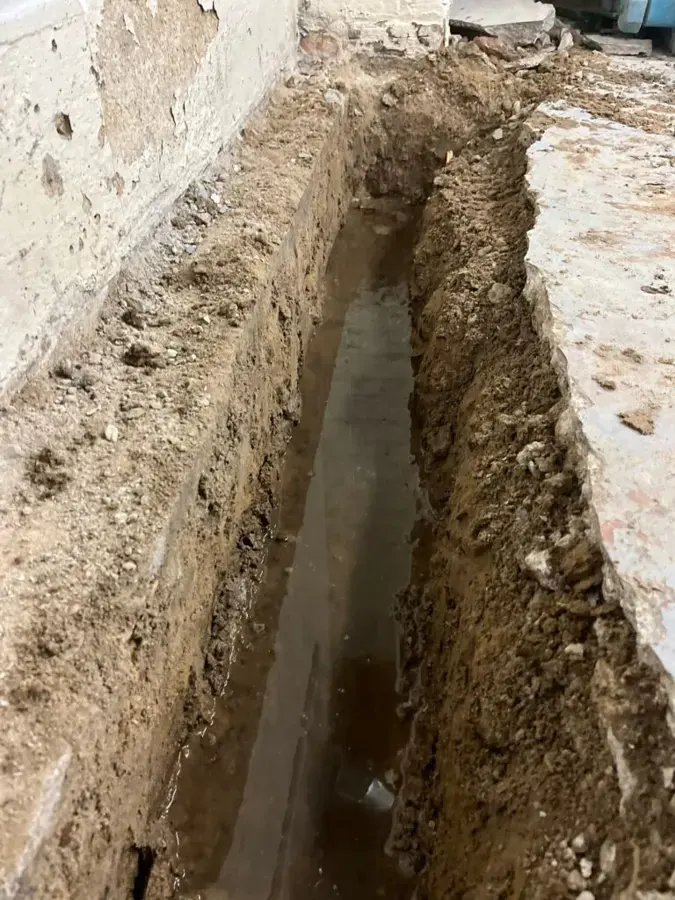
Slab Leak Water Damage
Leak detection, slab moisture mapping and drying for water that surfaces from under the floor.
See the service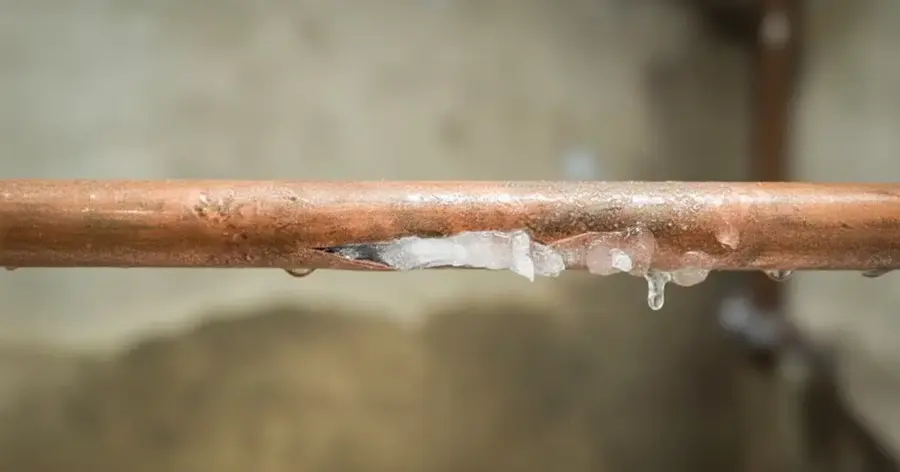
Frozen Pipe Water Damage
A split pipe after a hard freeze soaks insulation and drywall, and the crew dries both.
See the service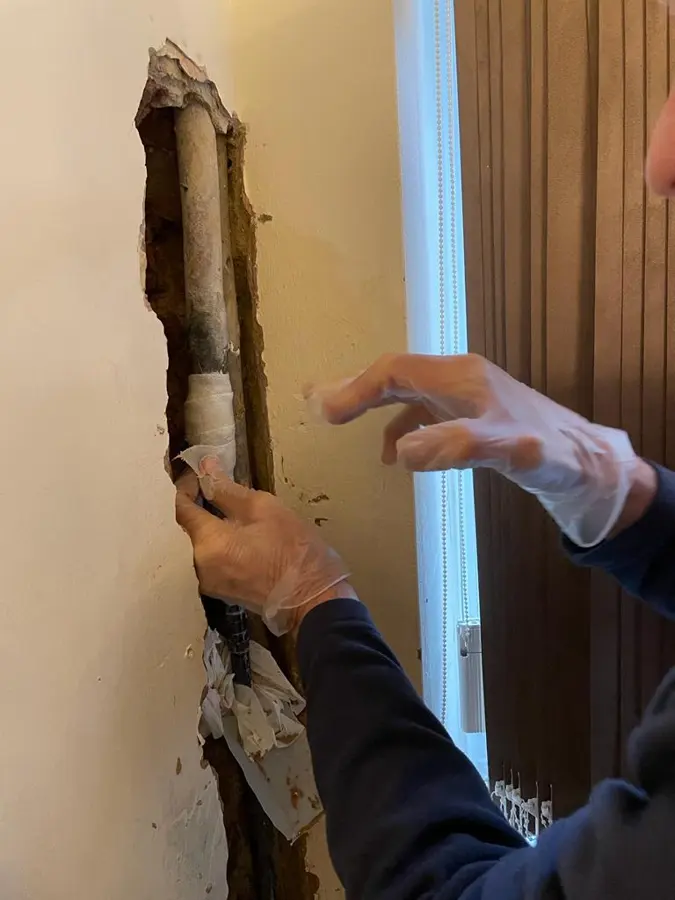
Burst Pipe Water Damage
Burst supply pipes release a lot of water fast, and extraction plus drying limit the damage.
See the service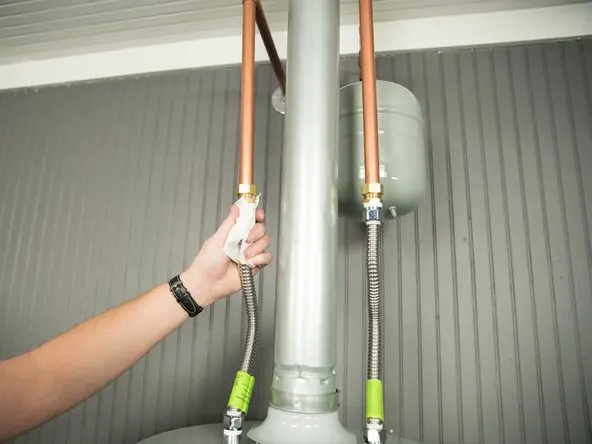
Water Heater Leak Cleanup
A failed tank spills across the garage, closet or attic floor, and cleanup follows the water.
See the service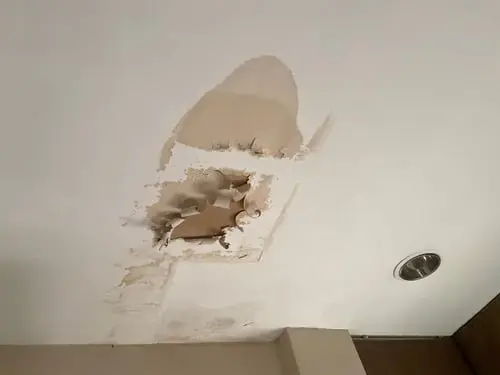
Ceiling Leak Water Damage
Stained or sagging ceilings get opened, dried and documented once the source is stopped.
See the service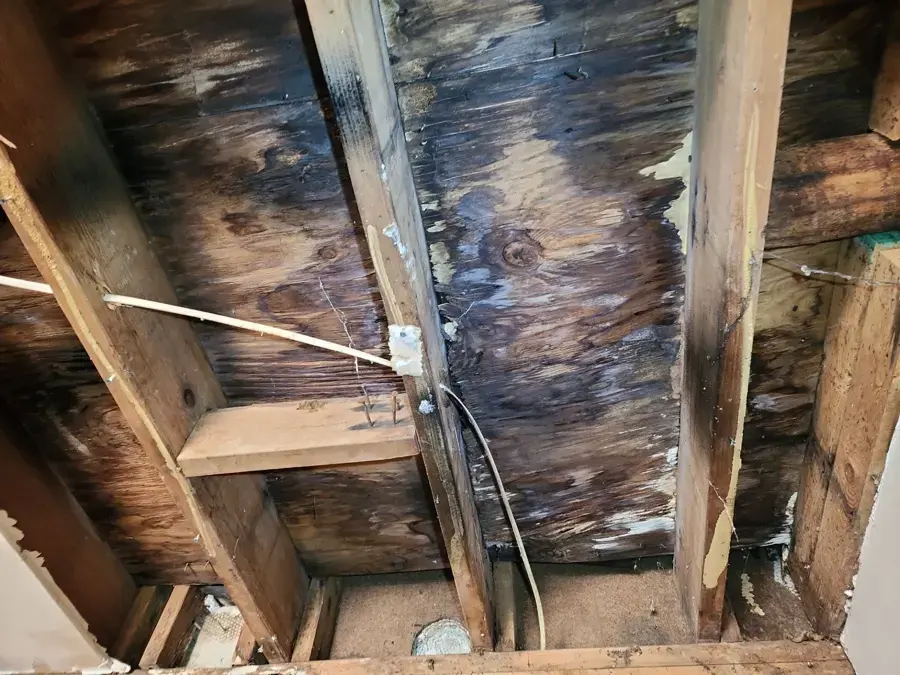
Roof Leak Water Damage
Wind-driven rain and hail can soak attic insulation and the ceilings below it.
See the service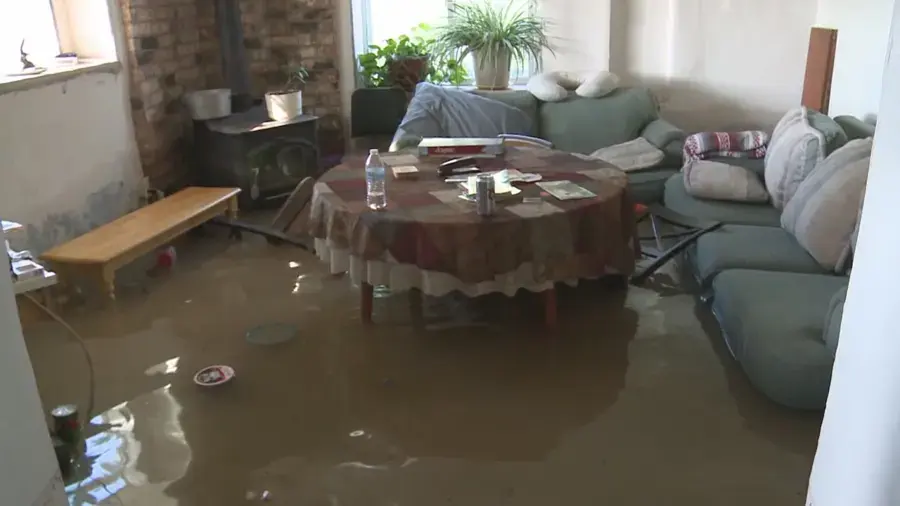
Storm and Flash Flood Cleanup
Runoff that enters a garage or living area calls for pumping, removal and sanitizing.
See the service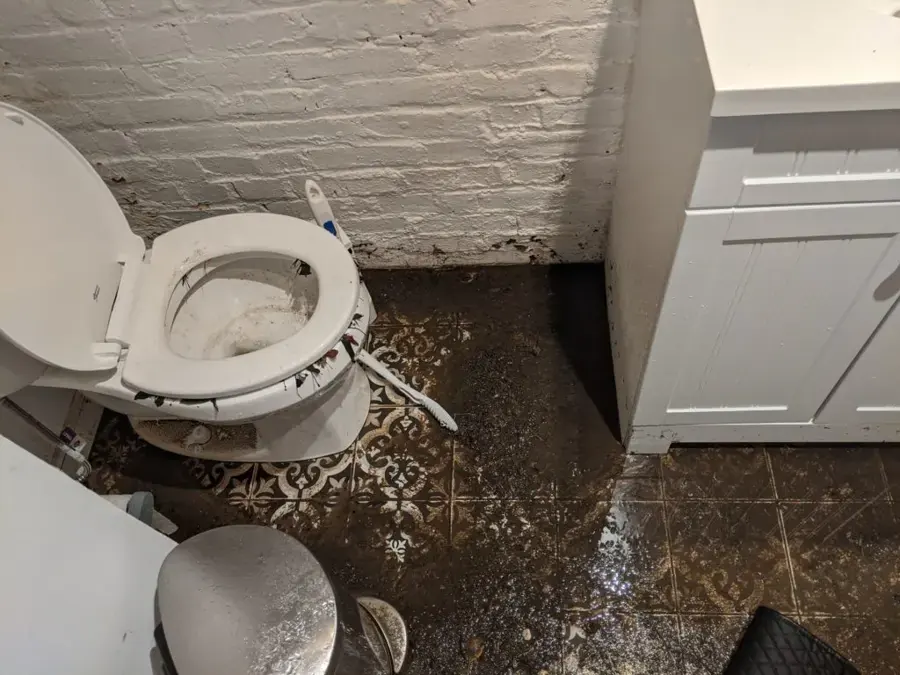
Sewage Backup Cleanup
Backed-up drains need protective gear, careful removal and disinfecting of every affected surface.
See the service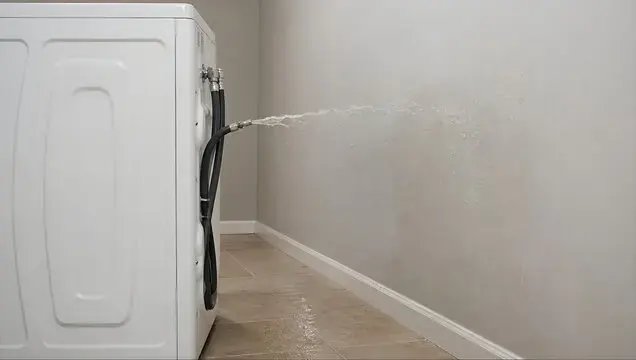
Appliance and Supply Hose Leaks
Dishwasher, washer and supply hose leaks that hide under cabinets and flooring.
See the service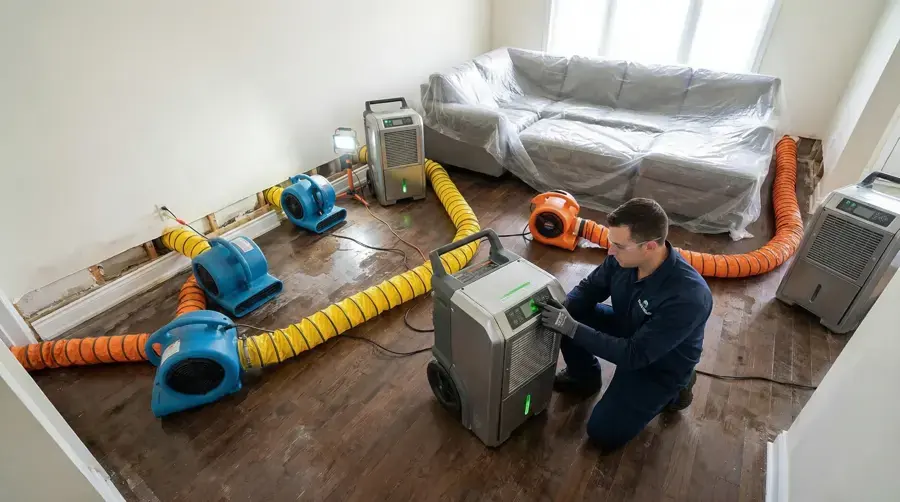
Structural Drying and Dehumidification
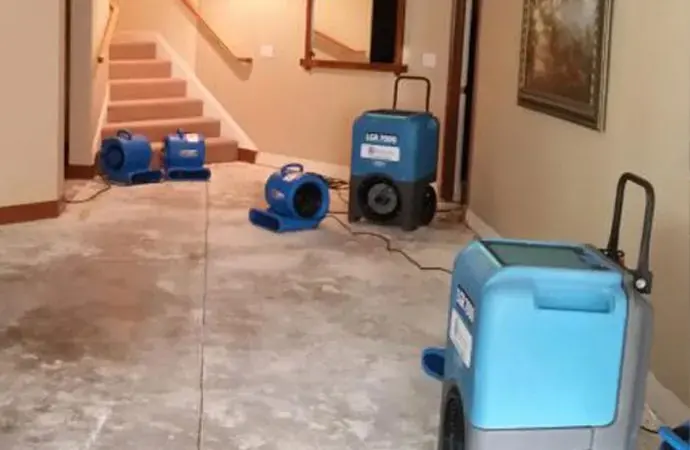
Dehumidifiers and air movers pull moisture from framing, flooring and cavities until readings settle.
See the service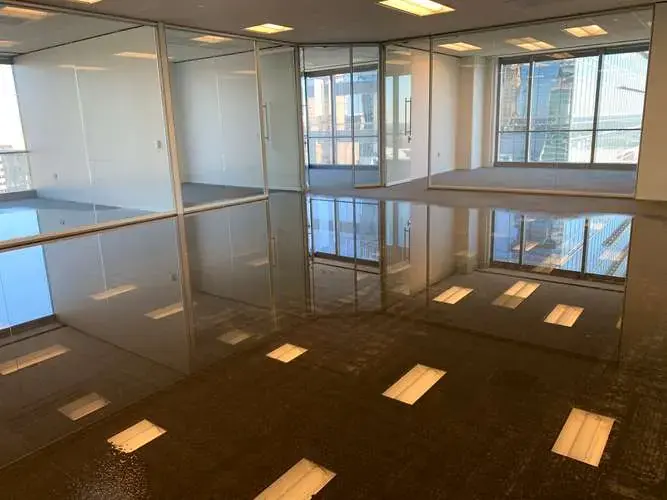
Commercial Water Damage
Suites, storefronts and offices dried in phases to limit downtime.
See the serviceDrying work you can verify, reading by reading
Water damage is time sensitive, so the crew arrives equipped to extract, measure and dry instead of simply fanning the room and leaving.
Rapid local response
Crews already work across Denton County and the small Tarrant County part of town, so extraction starts without delay.
Plain pricing up front
Price ranges follow the published cost cards, and the scope of work is explained before any equipment is set up, so surprises stay rare.
Claim-ready documentation
Moisture maps, daily readings and dated photos stay together, so an adjuster can see what was wet and when it dried.
Equipment sized to fit
The American Community Survey puts the median home value near $675,100, so finished floors and trim deserve equipment matched to each room.
What local water damage cleanup usually costs
Most jobs fall between $1,200 and $32,000 or more. Clean water caught early sits at the low end, while sewage, storm water and many wet rooms push toward the top.
Early clean-water loss
- One room dried in place
- Extractor pass and air movers
- Readings until dry
Several rooms or wet pad
- Carpet and pad pulled
- Wall bottoms opened and dried
- Daily moisture checks
Whole floor, sewage or storm water
- Containment and air scrubbers
- Flood cuts and full removal
- Complete drying documentation
Ranges cover labor and equipment for typical jobs. Insurance may cover sudden water, so keep photos and receipts before anything is thrown out.
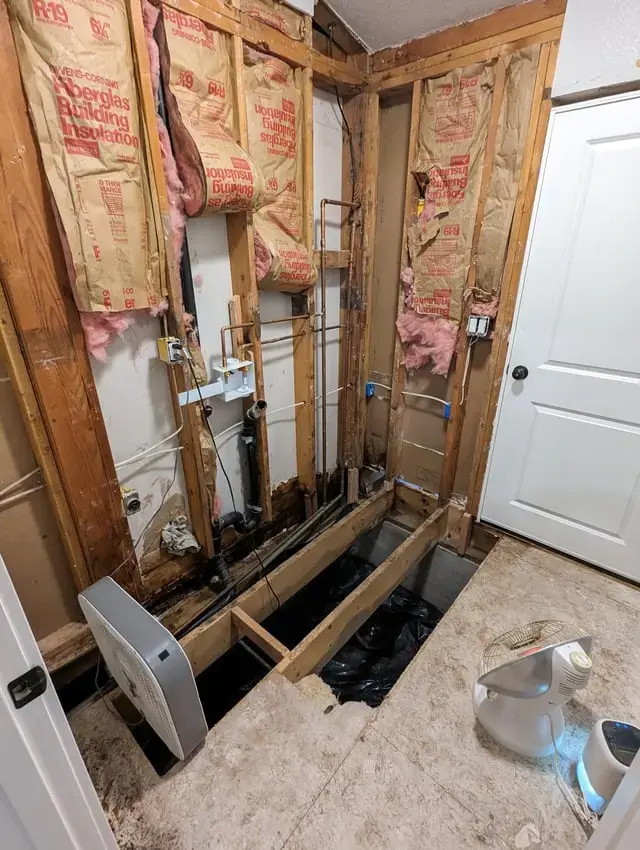
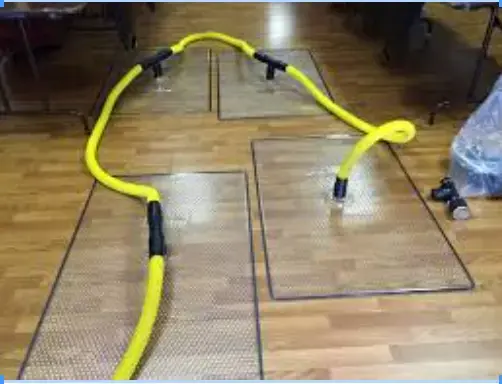
Run the water damage cost calculatorWhat extraction and drying look like in progress
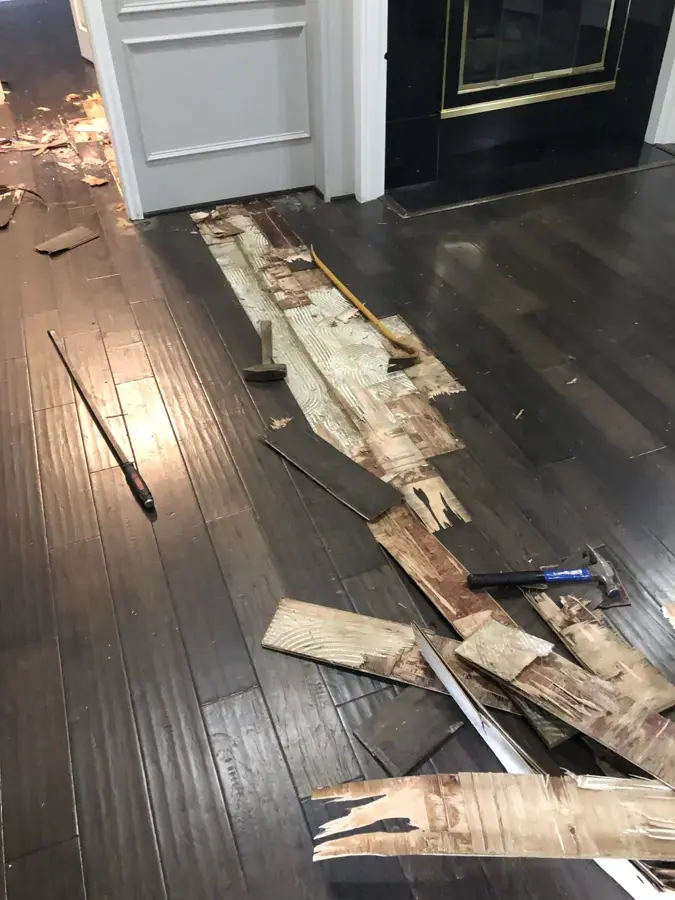
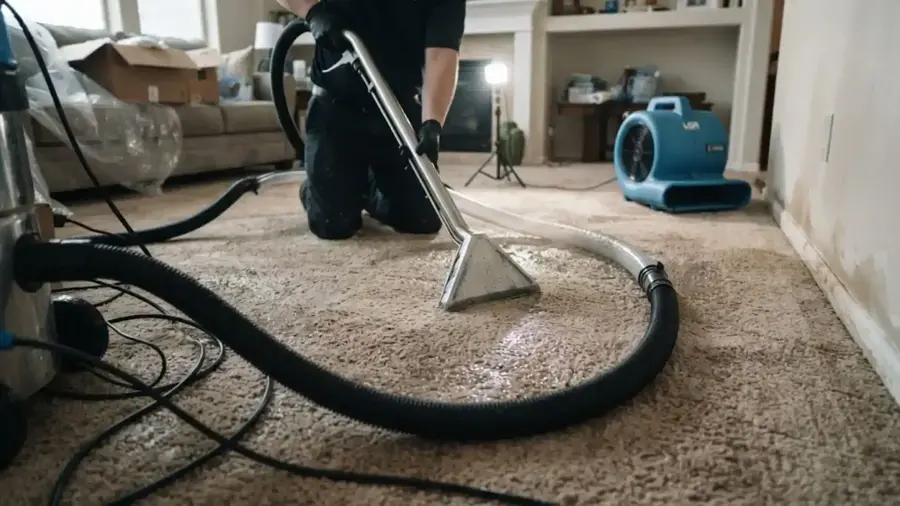
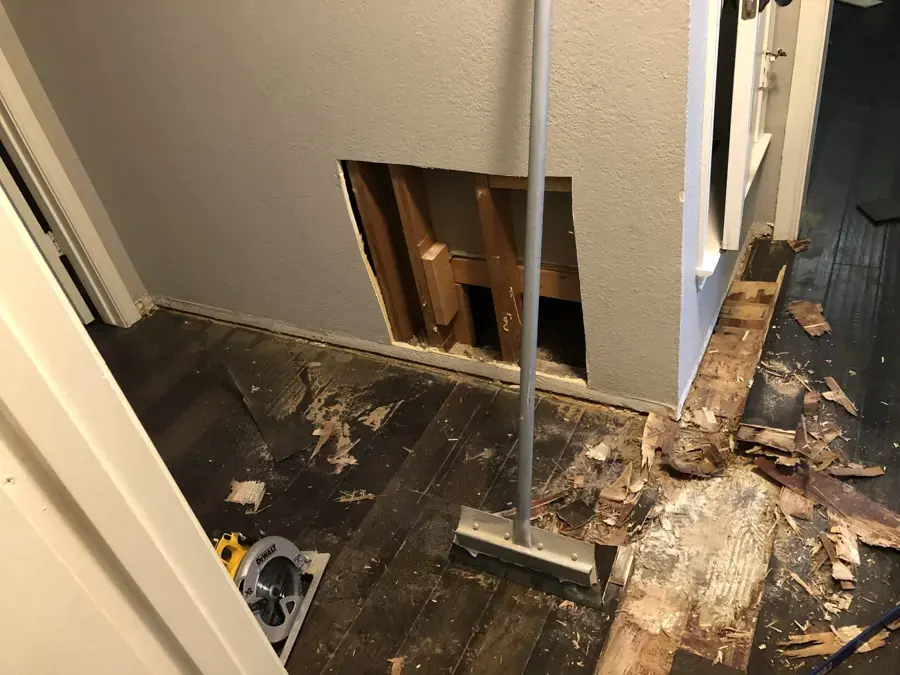
Drying to a measured standard, not a guess
IICRC S500 practices shape every job: classify the water, extract it, size equipment to the moisture load and continue until the materials meet the dry standard.
Read the structure
Moisture meters and a thermal camera show where the water went, including behind baseboards and under finished flooring, before any demolition is chosen.
Remove the water
Truck-mounted extractors pull out the bulk of the water, and pad or insulation that cannot be saved goes too.
Match the equipment
Dehumidifiers and air movers are sized to the room volume and the material type, so a hardwood floor and a bathroom get different setups.
Prove it is dry
Daily readings are compared with a dry reference, and equipment comes out only when every wet material has reached that mark.
Records that support the claim
Adjusters ask what failed, when it was found and how it was dried, so the records build as the work proceeds.
- Photos of the damage before anything is moved or removed
- A moisture map showing which rooms and materials were wet
- Daily readings that track the drying from start to finish
- A list of materials removed, with notes on why each came out
- The cause of the loss and the repair record from the plumber or roofer
If you file it yourself
Photograph every affected room, save receipts for emergency repairs, keep damaged items until the adjuster has seen them, and note the date the water was found.
Ask the insurer which coverage applies to sudden water damage, and get the answer in writing before agreeing to anything.
Gear that does the drying work
- Truck-mounted extractors. Truck power pulls water from carpet and hard floors faster than portable units can.
- LGR dehumidifiers. Low-grain refrigerant units pull moisture from the air so drying stays steady inside a closed, humid house.
- Air movers. High-velocity airflow across wet surfaces moves moisture into the air for the dehumidifiers to collect.
- Moisture meters and cameras. Pin and pinless meters plus a thermal camera find damp spots that the eye and touch miss.
Where the crew works across town and the county
The town sits mostly in Denton County with a small slice in Tarrant County, and the crew serves both.
Homes near Grapevine Lake, on the golf courses or in the Town Center townhomes are all part of the same service area.
Ask about your addressEmail for questions that can wait: contact@
Water damage help across the Town of Trophy Club
Neighborhoods and main roads
What to do the moment you find water
- Stop the source Close the fixture shutoff or the main valve, and cut power to wet rooms if the panel is dry.
- Photograph the damage Take clear photos and short videos of the water, the walls and any damaged belongings before anything moves.
- Lift what you can Move rugs, books and electronics to dry ground, and leave heavy furniture alone until the floor is checked.
- Avoid risky shortcuts Skip household vacuums on standing water, and stay out of water that smells like sewage.
- Call for extraction. Describe what failed and where the water is, and the crew will say what equipment the room needs.
Three kinds of water, three different jobs
The category sets the safety steps, what can be saved and how much has to be removed.
Category 1: clean water
Water from a broken supply pipe or an overflowing sink starts clean, and prompt extraction usually saves the flooring, pad and drywall, though it grows riskier the longer it sits.
See water extractionCategory 2: gray water
Washing machines, dishwashers and tub drains release gray water that carries soap and some contamination, so soaked porous materials usually need to be removed.
See appliance leak cleanupCategory 3: black water
Sewage, sewer backups and creek or storm runoff are grossly contaminated, so the work uses protective gear, containment and removal of porous materials.
See sewage cleanup
Freezes, storms and creeks shape local water damage
Local records point to a few recurring ways water gets in.
- Hard freezes and thaws. North Texas sees occasional hard freezes, and exposed supply pipes or outdoor spigots can split in the cold, then release water as the weather warms.
- Marshall Branch overtopping. Town staff told the Phase I drainage study that Marshall Branch has overtopped Trophy Club Drive on several occasions, and about 82 percent of its watershed lies outside town limits.
- Golf course drainage. Skyline (Indian) Creek runs through the golf course between homes, and Phase I also studied Overhill and Timber Ridge Drives, Fresh Meadows Drive and Cypress Creek.
- Private sewer pipes. Owners maintain the sewer pipe from the house to the main, and TCMUD names tree roots as the most common cause of private blockages.
- Spring storm season. North Texas gets heavy rain and hail in spring, a regional pattern that can push water through roofs and into attics, ceilings and walls.
Winter storm, January 2026. On January 24, 2026, around 5 p.m., a 14-inch water main broke at Trophy Club Drive and Indian Creek Drive during a winter storm. Several inches of water crossed the road, and the Town asked residents to conserve water.
Questions homeowners ask about water damage
Have a different water question?
Describe the damage and the crew can explain what usually happens next, what it involves and roughly what it costs.
(888) 527-9134 Ask the crew directlyHow quickly does water damage spread through a house?
Materials start absorbing water right away. Drywall wicks moisture upward, carpet pad holds it against the subfloor and wood flooring begins to cup, so extraction and drying should start once the source is stopped.
Who handles a sewage backup, the owner or the utility?
Property owners maintain the sewer pipe from the house to the sewer main. For a backup, TCMUD advises removing the cleanout lid so sewage flows into the yard, calling its 24/7 water and sewer emergency number and calling a plumber. Cleanup of what reached the house is separate work.
Does insurance cover water damage cleanup?
Policies often cover sudden, accidental water, such as a burst pipe or a failed water heater, and may exclude slow leaks or outside flooding. The policy wording decides, so ask the insurer early and keep photos and readings together.
What does restoration usually cost for a house here?
Published ranges run from $1,200 for an early clean-water loss to $32,000 or more for a whole floor, sewage or storm water. The tier depends on area, water category and the materials involved, and a written scope shows where a job lands.
Are newer houses less likely to have water damage?
Not necessarily. The American Community Survey puts the median year built near 2002, yet supply hoses, water heaters, roofs and drain pipes can fail at any age. Newer finishes, such as engineered flooring and built-in cabinets, can still absorb water quickly.
How does the district's water system handle storms and outages?
TCMUD says most of its water mains are looped, so a broken main can be isolated while a second pipe keeps water flowing, and a standby diesel generator backs up the pump station during electrical outages. Water that gets inside a house is a separate problem for extraction.
Can walls be dried without tearing them out?
Often yes. Cavities can be dried through small openings or behind removed baseboards while sealed drywall stays put, though saturated insulation and anything touched by sewage usually has to come out.
Has the Town studied drainage problems near creeks?
Yes. The Town's Stormwater Master Plan, prepared by Freese and Nichols, has three phases, and Phase I looked at five known drainage issues using 2011 conditions. It is a planning study, so confirm with the Town before assuming a fix is in place.
What records will an adjuster expect?
Dated photos, a moisture map, daily drying readings and a list of removed materials are the usual items. Keeping them together makes the file easier to follow.
What if the water came from a creek or a sewer?
Treat it as contaminated. Keep children and pets out, do not run fans through it, and leave removal of porous materials to crews with protective gear. Hard surfaces are cleaned and disinfected afterward.
Water on the floor? Get the drying started.
Describe the leak, the rooms involved and what failed. The crew will explain the first moves, what equipment fits the job and what the documentation for your claim will include.
(888) 527-9134Talk to a Trophy Club crew