Water Extraction and Removal in Trophy Club, TX
In Trophy Club, standing water in a detached house soaks carpet pad and creeps under baseboards quickly. Truck-mounted extractors pull it out so drying can begin on materials still worth saving.
(888) 527-9134Get the extractors started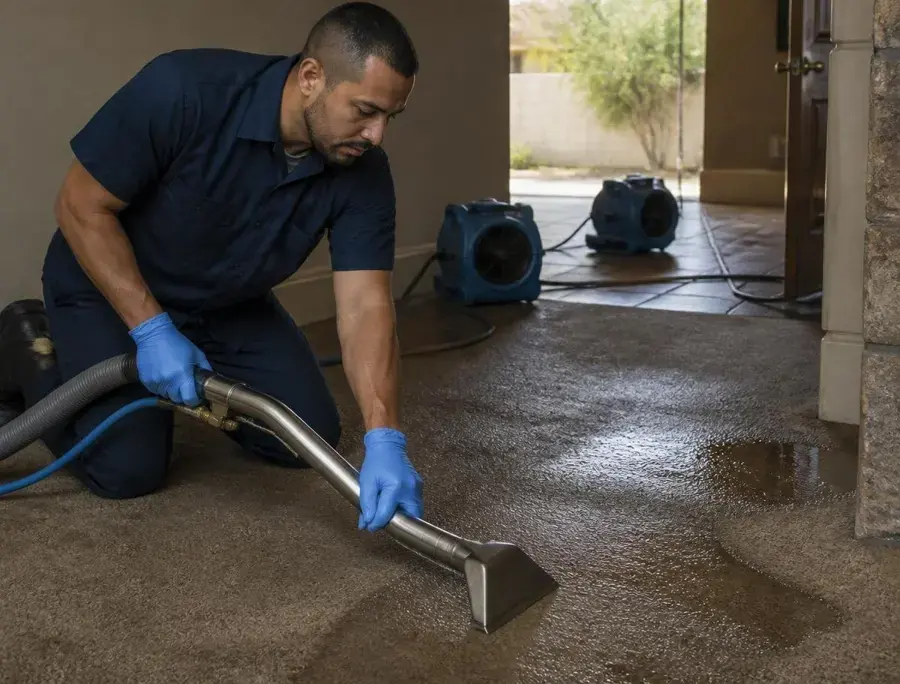
First steps for water extraction and removal in Trophy Club, TX
- 01Stop the water Shut the valve or stop the source so nothing new is added to what is already on the floor.
- 02Photograph first Capture the water level, wet furniture and damaged finishes before anything is moved.
- 03Clear the floor Lift small items, and leave heavy furniture for the crew, who can block and prop it safely.
- 04Start extraction Describe the rooms involved so the crew can bring the right extraction and drying equipment.
Extraction is the first job after a leak or flood, and it sets the pace for everything after it. Most of the roughly 4,876 housing units counted by the American Community Survey are single-family detached houses, about 4,523 of them, so water in a Trophy Club home tends to have a lot of floor to cover before anyone notices.
What does water extraction and removal cost in Trophy Club, TX?
Extraction alone usually runs between $800 and $5,500 or more, and the figure rises with the area wet, the number of rooms and whether the water is clean, gray or contaminated.
One room, clean water
- Extractor pass over the floor
- Readings taken room by room
- Equipment set for drying
Several rooms, carpet and pad
- Water pulled from carpet and pad
- Baseboards removed where wet
- Readings until dry
Large area or gray water
- Soaked pad cut out for replacement
- Antimicrobial on wet surfaces
- Drying across adjoining rooms
These are typical ranges, not a quote. The water category, the wet square footage, the material class and how soon drying started move the final number most.
Run the water damage cost calculatorHow water extraction and removal is handled in Trophy Club
Assess the water
Moisture meters and a thermal camera show how far the water traveled, and the category is set before work begins.
Extract
Wands, extractors and squeegees take standing water off the floor, and pad or insulation that cannot be saved is bagged and removed.
Position drying equipment
Air movers and dehumidifiers go in once the surface water is gone, sized to the rooms and the materials.
Verify and document
Readings are logged and compared with a dry reference, and the paperwork goes together for the insurer.
How standing water comes out
The crew works from the lowest, wettest spot outward so nothing is pushed into dry areas.
- Extractor wands pull water from carpet and pad in overlapping passes
- Tile and hard floors are vacuumed along grout joints and seams
- Pad that has soaked through is cut out and set aside for replacement
- Baseboards come off where water has wicked behind them
What remains after extraction is the drying load, and the readings taken then set the equipment plan.
Matching the method to the water
Clean water from a supply pipe or an overflowing tub lets most carpet and drywall stay. Gray water from a washer or dishwasher calls for more caution, and anything from a sewer or creek is handled as contaminated.
That is why the first visit starts with a category decision, not just a vacuum. The same wet floor can call for two very different plans.
Why speed matters in larger houses
The Town describes its housing as running from older custom homes to newer showcase homes, and the median home value is near $675,100. Finished wood floors, built-in cabinets and stone surfaces turn a small spill into a large repair when water sits.
Prompt extraction also shortens the drying phase, which means less flooring and trim ends up in the dumpster. See structural drying for the next stage, or sewage cleanup when the water is contaminated.
Water Extraction and Removal across Trophy Club and nearby cities
Extraction work covers houses in Canterbury Hills, Churchill Downs, Hogan's Glen, The Knoll and Abbey Moor, the townhomes in the Town Center, and shops around the Plaza, across both the Denton County and Tarrant County sides of town.
The same service nearby: water extraction and removal in Grapevine, Southlake, Flower Mound.
Water damage restoration in Trophy ClubRelated water damage services in Trophy Club
Water Extraction and Removal questions in Trophy Club, TX
Water still moving in Trophy Club?
Describe the water, the rooms and the cause, and the crew can explain how extraction and drying would work in your house.
(888) 527-9134 Trophy Club extraction helpHow soon should water be extracted?
As soon as the source is stopped and it is safe to enter. Water that sits soaks into pad, baseboards and drywall, and every added bit of absorption means more material to replace.
Can wet carpet be saved?
Often, if the water was clean and extraction began promptly. Pad usually does not recover and is replaced, while the carpet itself can be cleaned and dried in place.
What happens to water under hard flooring?
Hardwood, laminate and tile have hidden layers. Drying mats or injected air can reach moisture beneath boards, and flooring that has already cupped or buckled is removed rather than forced flat.
Does extraction include drying?
Extraction takes out the bulk water. Drying then removes what remains inside materials using dehumidifiers and air movers, and readings from both stages go into the same log.
Is gray water different from clean water?
Yes. Gray water from a washer or dishwasher carries soap and some bacteria, so soaked porous materials are more likely to be removed. Clean supply water gives carpet and drywall a better chance.
What should be kept for the insurer?
Dated photos, receipts for emergency work and the damaged items themselves until the adjuster has seen them. The crew adds the moisture map and daily readings to the file.
Standing water needs to come out
Tell the crew which rooms are wet and whether the water is clean, gray or from a sewer, and the extraction plan will be built around that.
(888) 527-9134Start extraction in Trophy Club