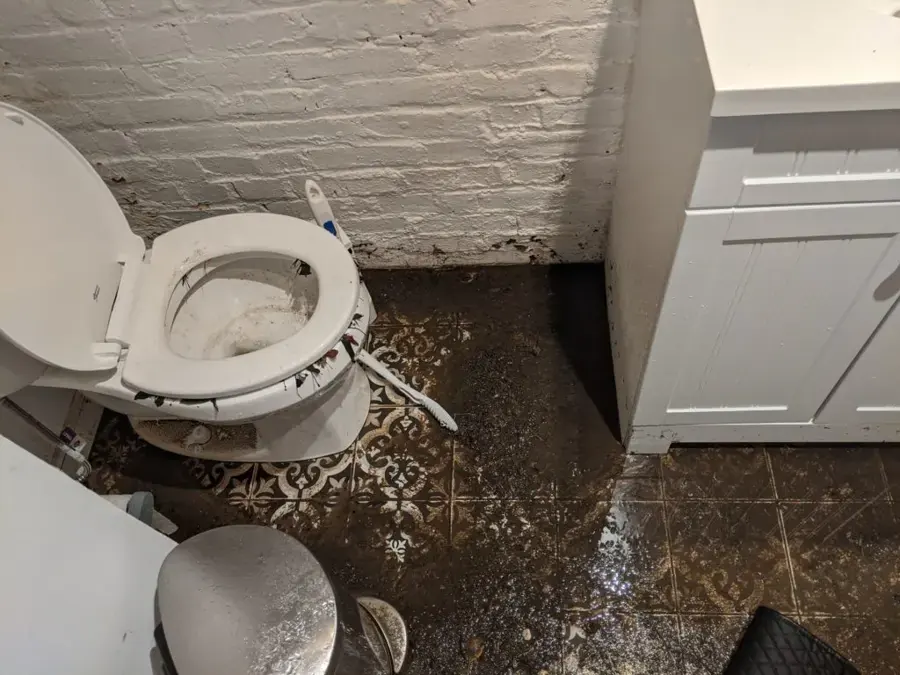
A sewage backup in a Southlake home shows up as gurgling drains, slow fixtures or wastewater rising in a tub, shower or floor drain. The city has a stated order of steps for it, and the cleanup inside the house runs on its own track. Knowing both saves time when wastewater is already on the floor.
Key takeaways
- For a sewer backup or slow drain, the city says to call its Wastewater Division first, and staff clean and check the sewer main to see whether a plumber is needed.
- Residents are responsible for cleaning and repairing the sewer service pipe from the house to and including the tap, and the city repairs any section under the road.
- The Wastewater Division serves more than 7,500 sanitary sewer customers and has 13 lift stations and more than 3,000 manholes.
- Some properties use septic systems, so a backup does not always involve the city sewer.
- Sewage backup is Category 3 water, so porous materials it touches are removed and the rest is cleaned and disinfected before drying.
Signs that a drain problem is a sewage backup
One slow sink usually means a local clog. A backup shows up in several places at once, or in the lowest drain in the house.
Recognizing the pattern early keeps wastewater from spreading across a floor and into walls.
Wastewater that reaches the floor has usually come up through the lowest opening in the system, which is why the lowest drain, tub or shower is often the first place it appears.
- Gurgling from toilets or drains when another fixture runs.
- Several fixtures draining slowly at the same time.
- Wastewater or odor rising from a floor drain, tub or shower.
- A toilet that bubbles when the washing machine empties.
What the city says to do first
For a sewer backup or a slow drain, the city says to call the Wastewater Division first. Staff clean and check the sewer main to see whether a plumber is needed.
The division serves more than 7,500 sanitary sewer customers and maintains 13 lift stations and more than 3,000 manholes, so a problem on the street side of the system is a real possibility.
The call matters even when the problem turns out to be on the private side, because the division can confirm whether the main is flowing and rule out a street side blockage before a plumber starts work.
If the main is clear
A clear main points to the pipe on the private side of the property. That is when a plumber is needed to find and clear the blockage, whether it is roots, grease or a collapsed section.
If the property uses septic
Some Southlake properties use septic systems. New houses must connect to city sewer where it is available, a new septic system needs a Tarrant County permit, and the city has a septic to sewer conversion process.
Who is responsible for which pipe
Residents are responsible for cleaning and repairing the sewer service pipe from the house to and including the tap. The city repairs any section of that pipe under the road.
A plumber's note on where the blockage sat is worth keeping, since it shows whether the problem was on the private side or under the road.
Southlake Water Utilities, a City of Southlake department, bills water, sewer, trash and recycling for residential customers, so one department sends the combined bill.
Trinity River Authority records show the city became a customer of its Central Regional Wastewater System between 1984 and 1987, and later joined its Denton Creek Regional Wastewater System.
What cleanup inside the house involves
Sewage is Category 3 water. The crew works in protective gear, pulls the standing wastewater and contains the area before any demolition.
Sewage backup cleanup is built around those controls.
The work is thorough because wastewater soaks into anything porous and leaves bacteria behind long after the visible water is gone.
Odor control is part of the job. Materials that hold the smell are removed rather than masked, and air scrubbing and deodorizing steps follow once the structure is clean.
- Extraction of standing wastewater from floors and low spots.
- Removal of carpet, pad, baseboards and drywall that wicked contaminated water.
- Cleaning and disinfecting of tile, slab, framing and cabinet boxes.
- Removal of odor sources before drying equipment is set.
Protecting people while the work is pending
Wastewater carries bacteria and viruses, so the affected rooms are best treated as off limits until they are cleaned. A few habits keep the problem from growing.
- Stop using sinks, toilets, tubs and the washing machine so no more water enters the pipe.
- Keep children, pets and anyone with a weak immune system out of the area.
- Wear waterproof boots and gloves for any contact, and wash hands afterward.
- Photograph the affected rooms before anything is moved.
Mistakes that make a backup worse
Well meant fixes can spread contamination or damage pipes.
- Pouring chemical drain cleaner into a drain that is already backing up, which can burn skin and does little for a blockage in a main.
- Running water to flush the pipe, which adds more wastewater to the floor.
- Carrying wet rugs, towels and clothing into clean rooms, which spreads contamination.
- Running household fans or a vacuum in the wet area, which can spread contaminated droplets and damage the equipment.
Drying and rebuild after the cleanup
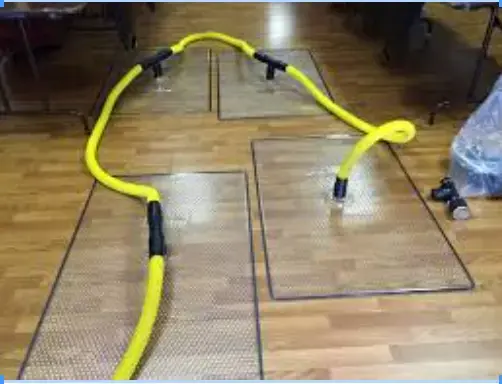
Once the contaminated material is out and the surfaces are cleaned, the rooms are dried. Structural drying uses air movers and dehumidifiers with moisture readings on framing and subfloor.
A moisture log with daily readings is the record that the structure reached its dry standard, and it is worth keeping with the photographs taken at the start. Rebuilding starts only when the readings show the structure is dry.
The city page for water damage restoration in Southlake lists the other services available for a wet home, and the main page for sewage backup cleanup explains the full process.
Questions
Who should be called first for a sewer backup in Southlake?
The city says to call its Wastewater Division first. Staff clean and check the sewer main to see whether a plumber is needed.
Who is responsible for the sewer service pipe?
Residents are responsible for the pipe from the house to and including the tap, and the city repairs any section under the road.
Does a backup always mean a city sewer problem?
No. Some properties use septic systems, and a blockage on the private side of the pipe can back up a home even when the main is clear.
Is sewage handled differently from clean water damage?
Yes. It is Category 3 water, so porous materials are removed, surfaces are cleaned and disinfected and the area is contained during the work.
What can a homeowner do while waiting for help?
Stop using water fixtures, keep people and pets out of the area, wear boots and gloves for any contact and photograph the damage before anything is moved.
Should chemical drain cleaner be used on a backup?
No. Chemical cleaners can burn skin and damage pipes, and they do little for a blockage in a main. The better first step is the call to the Wastewater Division.