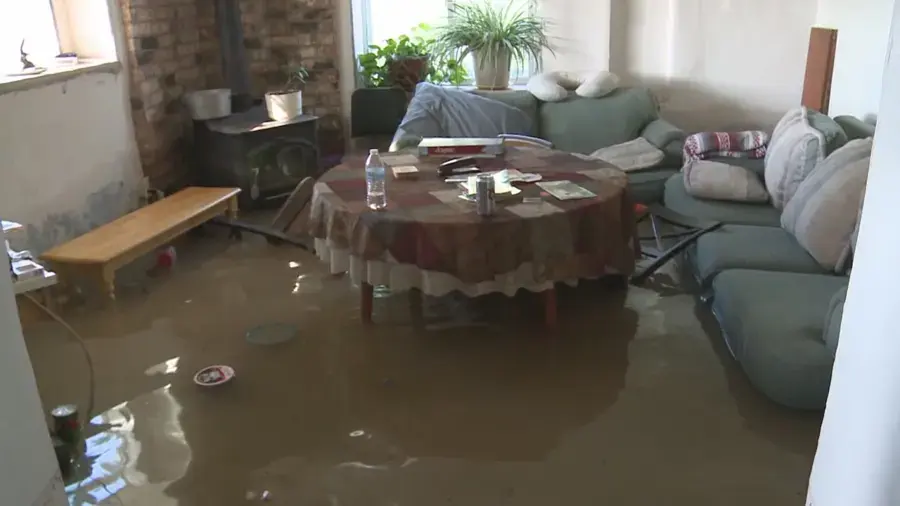
Lake Grapevine was formed in 1952 when Denton Creek was impounded, and its normal pool sits at 535 feet. When the lake climbs, or when Denton Creek, Cottonwood Branch, Big Bear Creek or Little Bear Creek run high, water can reach a house from the ground up. That is a different problem from a roof leak or a burst pipe, and it is handled differently from the first hour to the last readings.
Key takeaways
- Water that comes from a lake, a creek or an overloaded drain is flood water, and it is handled as contaminated, never as clean supply water.
- The lake has a normal pool of 535 feet and crested at 561.55 feet on May 31, 2015, when it topped its spillway for the fourth time in its history.
- The record crest is 563.5 feet, set on November 1, 1981, so very high water is part of the lake's history.
- Stay out of standing water until the power is off and the structure is safe, and photograph everything before anything is moved.
- Carpet, pad, insulation and drywall that sat in flood water are usually removed, while hard surfaces are cleaned and then dried.
How lake and creek water reaches a house
High water does not need a storm over the house itself. Rain far up a creek can raise the lake, and a lake that runs high pushes water into low yards, driveways and garage floors.
On May 31, 2015, the lake topped its spillway for the fourth time in its history and crested at 561.55 feet. A section of Dove Road in northwest Grapevine and Fairway Drive by the dam closed.
The restoration crew's service area includes Dove Landing, Glade Landing and the Dove Road lake side, along with neighborhoods that deal mostly with the creeks and storm drains. Water finds the same weak points in every one of them.
- Across door and garage thresholds when a yard fills with water.
- Up through slab joints and along the base of walls when the ground is saturated.
- Back through floor drains and toilets when storm drains and sewers are overloaded.
- Through low vents and utility openings on the downhill side of a lot.
Reading the water: lake, creek or storm drain
Where the water came from changes how it is handled. A crew asks the same questions at the start of every flood job, because the answers decide what can be saved.
Water that rose slowly and stood for days soaks deeper into materials than water that crossed a floor and drained away. Time matters as much as the source.
- How long the water stood inside the house.
- How high it reached on walls, cabinets and furniture.
- Whether a floor drain or toilet backed up with it.
- Whether the water is still rising, standing or already receding.
Why flood water is not handled like a pipe leak
Water from a supply pipe starts out clean. Water from a lake or creek picks up soil, fertilizer, fuel and whatever else lies on the ground, and water that backs up through drains can carry sewage.
For that reason, restoration standards such as IICRC S500 place outside flood water in Category 3, the most contaminated class of water damage. Flood cleanup therefore follows a stricter plan than a clean water leak.
What usually comes out
Porous materials that held flood water cannot be made safe again, so they are removed instead of dried. Cutting them out early also stops the wet material from feeding moisture into the framing behind it.
- Carpet and carpet pad.
- Insulation inside wall cavities at the height the water reached.
- Drywall and baseboards that wicked water upward.
- Cabinet toe kicks and particleboard that swelled.
What is cleaned and kept
Concrete slabs, tile, framing and solid lumber are usually cleaned, disinfected and dried in place. Keeping them keeps the rebuild smaller, and the moisture readings prove the structure is sound.
First steps before anyone goes back inside
Safety comes before cleanup. Standing water can hide electrical hazards, and floors and steps can be slick or unstable.
A short list of precautions protects people while the water is still in the house.
- Turn off power at the main panel only if the panel is dry and reachable without stepping in water. Otherwise leave it to the utility.
- Wear boots, gloves and eye protection, and avoid skin contact with the water.
- Photograph and video the height of the water on walls, the damaged contents and the outside of the house.
- Move small valuables, papers and electronics to a higher, dry spot.
- Do not run a household vacuum, a fan on a wet circuit or the washer.
- Keep children and pets out of the affected rooms.
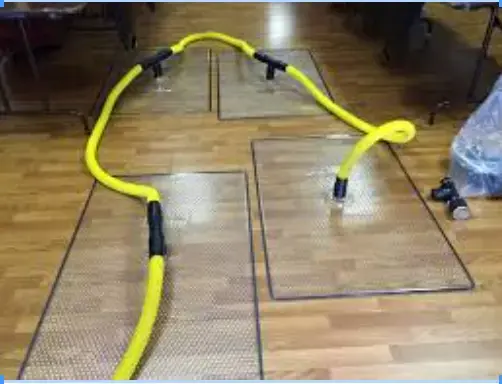
How extraction and drying work after flood water
Extraction comes first. Pumps and truck mounted units pull standing water off the floor so it stops soaking into materials, and water extraction continues until the surface water is gone.
The crew then removes the wet materials listed above and cleans the exposed surfaces. Structural drying follows, with air movers and dehumidifiers running until the readings return to normal.
- Moisture readings on studs, plates and the slab show what is still wet.
- Dehumidifiers pull moisture from the air so it does not settle back into materials.
- Air movers keep dry air moving across wall bases and floors.
- Daily readings document that the structure is dry before rebuilding begins.
Slab floors and what the drying has to reach
Many homes here are slab-on-grade, and most date from the 1970s through the 1990s, with about a third built in 2000 or later. Water on a flat slab spreads evenly across a room instead of pooling in one corner.
A thin film of water can cover an entire floor and wick up the bottom of drywall, baseboards and cabinet kicks. Drying has to follow the water into every room and cannot stop at the visible edge.
Closets, pantries and the space behind appliances are easy to miss and are often still wet when the main rooms read dry.
When drains back up with the water
Heavy rain that fills the creeks can also overload storm drains and sewers, so a floor drain or toilet may push water back into the house. Anything that came up through a drain is treated as sewage and is kept out of the rest of the house.
Sewage is its own hazard and is cleaned under stricter controls. Sewage backup cleanup covers how that work differs from flood water alone, and the crew sets up containment before any demolition starts.
Questions
Is water from Lake Grapevine or a creek safe to dry in place?
No. Outside flood water is treated as contaminated, so wet porous materials are removed and hard surfaces are cleaned and disinfected before drying begins.
How high has the lake risen?
It crested at 561.55 feet on May 31, 2015, the fourth time it topped its spillway, against a normal pool of 535 feet. The record is 563.5 feet, set on November 1, 1981.
What closed when the lake topped its spillway in 2015?
A section of Dove Road in northwest Grapevine and Fairway Drive by the dam closed.
Can wet carpet be saved after flood water?
Carpet and pad that sat in outside flood water are normally removed because they cannot be reliably cleaned. Hard flooring over the slab is usually cleaned and dried.
What should be documented before cleanup starts?
Photographs and video of the water height on walls, the damaged contents and the outside of the house, plus a written list of everything that was wet. The list helps later when repair decisions are made.
How is a flood job different from a clean water leak?
Flood water is contaminated, so more material is removed, surfaces are disinfected and the work follows containment rules. A clean water leak from a supply pipe can often be dried in place.